 PlaceTube
Göbekli Tepe: The Temple That Shouldn't Exist
Open in PlaceTube Watch on YouTube
Places in this video
- Göbekli Tepe ▶ 0:05
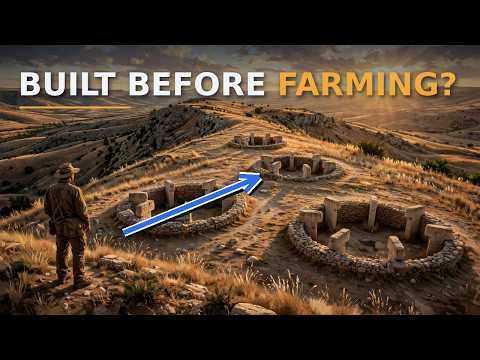
A Neolithic hill site of T-shaped carved pillars raised by hunter-gatherers in the 10th–9th millennia BCE, UNESCO-listed in 2018; the film traces its discovery, its enclosures A–I, and the debate over whether it was a temple, a settlement, or both.
- Harran Plain ▶ 0:57
The hill of Göbekli Tepe is described as a limestone ridge above the Harran plain, about fifteen kilometres north-east of Şanlıurfa.
- Nevalı Çori ▶ 2:11
Klaus Schmidt had seen T-shaped pillars like these before at Nevalı Çori, which is how he recognised the buried slabs at Göbekli Tepe.
- Şanlıurfa Museum ▶ 2:27
Local families reported finds to the Şanlıurfa Museum, and the first excavations in 1995 began under the museum's auspices.
- Karacadağ ▶ 7:50
Genetic research traces the domestication of einkorn and emmer wheat to the Karacadağ area near the site, in the heart of the region where farming began.
- Sefertepe ▶ 13:02
A chamber at Sefertepe held at least twenty-one skulls placed on bases and facing south-east, part of the region's varied treatment of the dead.
- Karahantepe ▶ 13:20
At Karahantepe, some seventy fragments show cutting and burning, another example of the region's mortuary practices.
- Sayburç ▶ 13:20
At Sayburç, at least nineteen people were laid on and before a stone bench in a dwelling.