 PlaceTube
Shahr-e Sukhteh
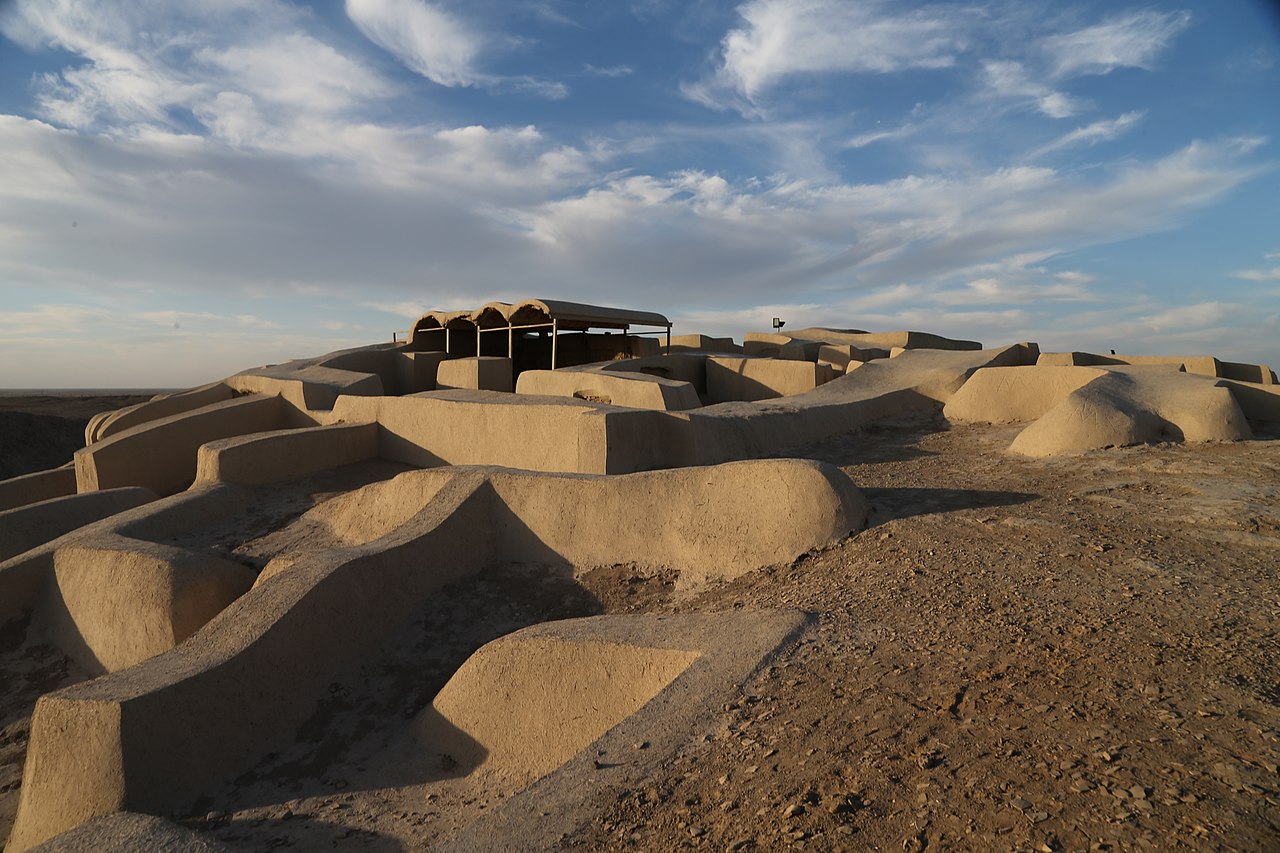
Archaeological site in Sistan and Baluchistan Province, Iran
Shahr-e Sukhteh (شهر سوخته), c. 3550–2300 BC, also spelled Shahr-e Sūkhté and Shahr-i Sōkhta, is an archaeological site of a sizable Bronze Age urban settlement, associated with the Helmand culture. It is located in Sistan and Baluchistan Province, the southeastern part of Iran, on the bank of the Helmand River, near the Zahedan-Zabol road. It was placed on the UNESCO World Heritage List in June 2014. The reasons for the unexpected rise and fall of the city are still wrapped in mystery. Artifacts recovered from the city demonstrate a peculiar incongruity with nearby civilizations of the time…
What travel creators say
A Bronze Age city on a dry plain near Afghanistan, founded around 3200 BC, where a famous artificial eyeball was found in a grave; traces of great fires give it the name 'Burnt City.'
The video presents Shahr-i Sokhta, the 'Burnt City', a UNESCO World Heritage archaeological site in southeastern Iran that flourished over 5,000 years ago on the banks of the Helmand River.
From videos in other languages
Поселение бронзового века, где нашли деревянную игровую доску с 20 полями, костями и фишками; с 2014 года в списке ЮНЕСКО.
Ciudad del desierto nacida hace unos 5.200 años, donde apareció la tumba de una mujer con un ojo artificial de oro y el vaso con la cabra que salta, llamada la animación más antigua del mundo.