 PlaceTube
Okawachiyama
Imari, Japan · Videos: 26 · Map
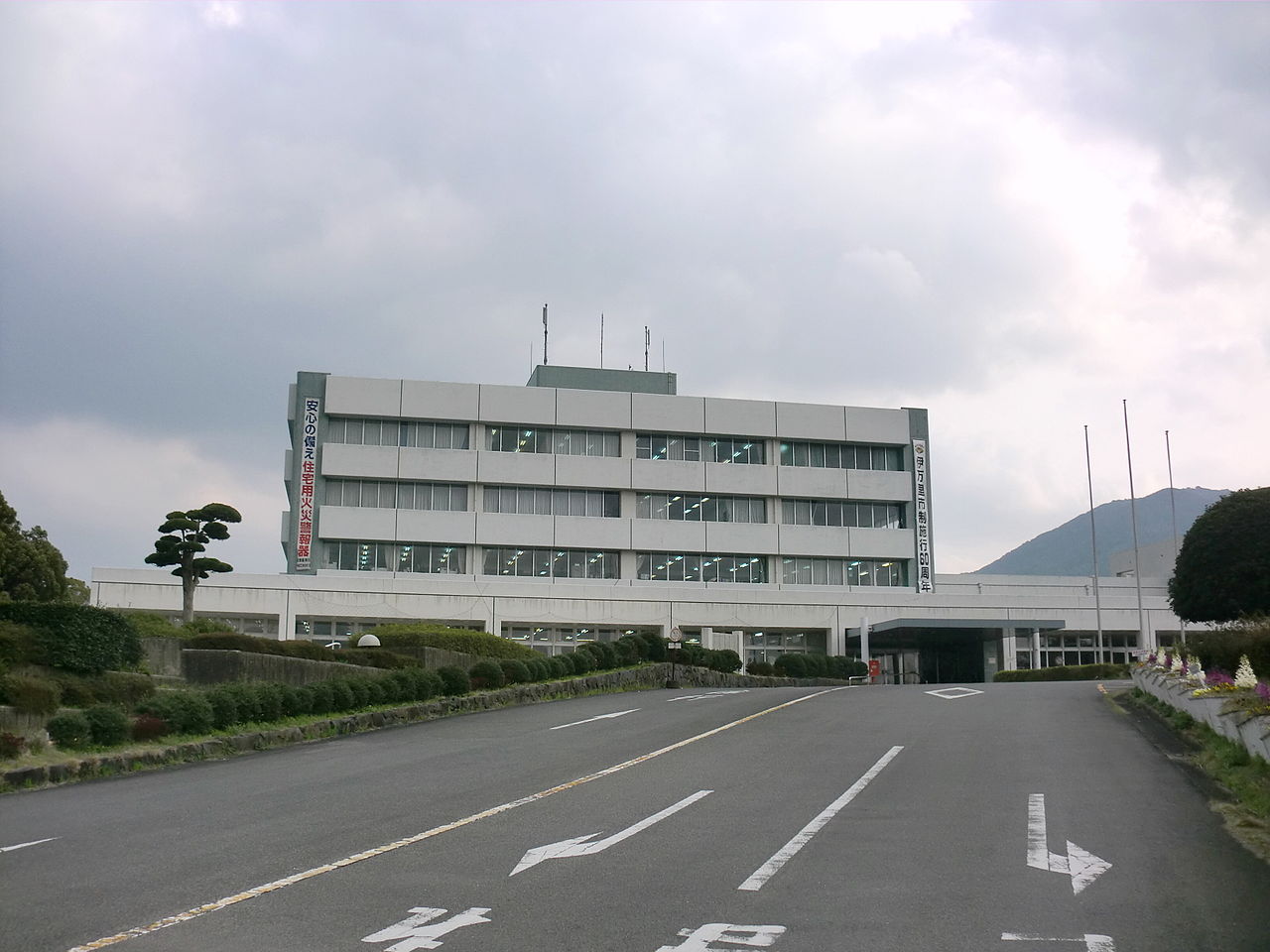
City in Kyushu, Japan
Imari (伊万里市, Imari-shi) is a city located in Saga Prefecture on the island of Kyushu, Japan. As of 2024, the city had an estimated population of 51,875 in 23,874 households, and a population density of 200 persons per km2. The total area of the city is 255.26 square kilometres. Imari is most notable because of Imari porcelain, which is the European collectors' name for Japanese porcelain wares made in the town of Arita, Saga Prefecture. The porcelain was exported from the port of Imari specifically for the European export trade.
What travel creators say
The vlog opens at Ōkawachi-yama in Imari, a pottery town where wind chimes are set up everywhere in summer, creating a relaxing atmosphere.
The video follows a solo drive to Imari in Saga Prefecture in search of meat, including Imari beef.
The presenter heads to Imari, a town in Saga Prefecture known as the birthplace of Japanese porcelain production.
He explores the hidden porcelain village of Okawachiyama in Imari, Saga Prefecture, a pottery-producing village with over 300 years of history lined with brick chimneys and kiln buildings.
The pottery village looks straight out of a fairy tale with fog rising from the mountains; nice to walk around and admire the pottery pieces.
The village of Imari on Kyushu is made of stone and porcelain, and its trademark blue color has been around for centuries.
They visit this hidden mountain village known as the Pottery Village, with many pottery stores, blue porcelain, a bridge, and a long history of making pottery for the Imperial Court and feudal lords.
The video is a solo walking tour of Imari, a town in Saga known for its pottery and sweets.
A pottery village on the outskirts of Imari City, once home to the kilns of the Nabeshima domain and now lined with about 30 pottery shops along narrow lanes.
Known as the 'Village of Secret Kilns', it is surrounded by mysterious rocks as if from a landscape painting, and the presenter also tries soba noodles made by a potter here.
The presenter recommends visiting Imari town as well, noting it is similar to Arita and both are famous for their porcelain products.
Between Imari and Arita the streets and shrines are decorated with handcrafted porcelain, including tiles along the river made of Imari-yaki pottery.
The presenter starts the walk in this old porcelain village, famous for its historic kilns and pottery makers that have been working here for about 330 years.
The presenter calls it the "Village of Secret Kilns", where the Nabeshima clan set up kilns in the Edo period to protect secret porcelain techniques, and walks up the streets lined with shops selling refined porcelain.
The video is a day trip through Kyushu's porcelain villages, Imari and Arita, though the transcript only briefly names the towns.
From videos in other languages
佐賀県北西部に位置する人口約5万2000人の港町として紹介され、伊万里焼の積み出し港として栄えた歴史と現代的な幹線道路沿いの商業エリアが共存する都市景観を解説しています。
山奥に広がる焼き物の里で、煙突や石畳が並ぶ風景と、鍋島焼きを展示する資料館があると紹介しています。
鍋島焼を作る山あいの焼き物の里。「秘窯の里」と呼ばれ、今も約30の窯元が残る。伊万里駅から車で20分ほど。
伊万里市にある歴史ある焼き物の里で、江戸時代には鍋島藩の御用窯が置かれ最高級の磁器・鍋島焼きが焼かれていました。約30の窯元が点在し、見学や購入、陶芸体験が楽しめます。
約350年前に佐賀藩の鍋島藩窯が置かれ、伊万里焼・鍋島焼の窯元が息づく焼き物の町。山に囲まれた絵画のような景観で、秘窯の里とも呼ばれる。
Un village entièrement dédié à la céramique, avec d'anciens fours encore parfois utilisés, où Takao Kawasoe et sa fille reproduisent des motifs traditionnels Nabeshima.
江戸時代に佐賀藩の御用窯が置かれた山奥の窯元の里。約30の窯元が石畳の坂道に連なり、鍋島焼の美しい器が並ぶ。
江戸時代に佐賀藩の御用窯が置かれ、鍋島焼きの技が外に漏れないよう管理されていた山奥の窯元集落。約30の窯元が石畳の坂道に連なり、屏風岩や煙突などの景観も見どころ。
伊万里焼で有名な焼き物の里。古くからの30余りの窯元が軒を連ね、江戸時代には幕府や鍋島藩への献上品を焼いていたと案内される。
佐賀県北部の伊万里市を1泊2日で巡る旅。前回行けなかった伊万里に宿泊してグルメを楽しむ。
険しい山々に囲まれた静かな集落で、「秘窯の里」と呼ばれる。30件の窯元が集まり、山水のような景観と窯の煙突が印象的だと紹介される。