 PlaceTube
Ban Chiang Archaeological Site
Udon Thani, Thailand · Videos: 12 · Map
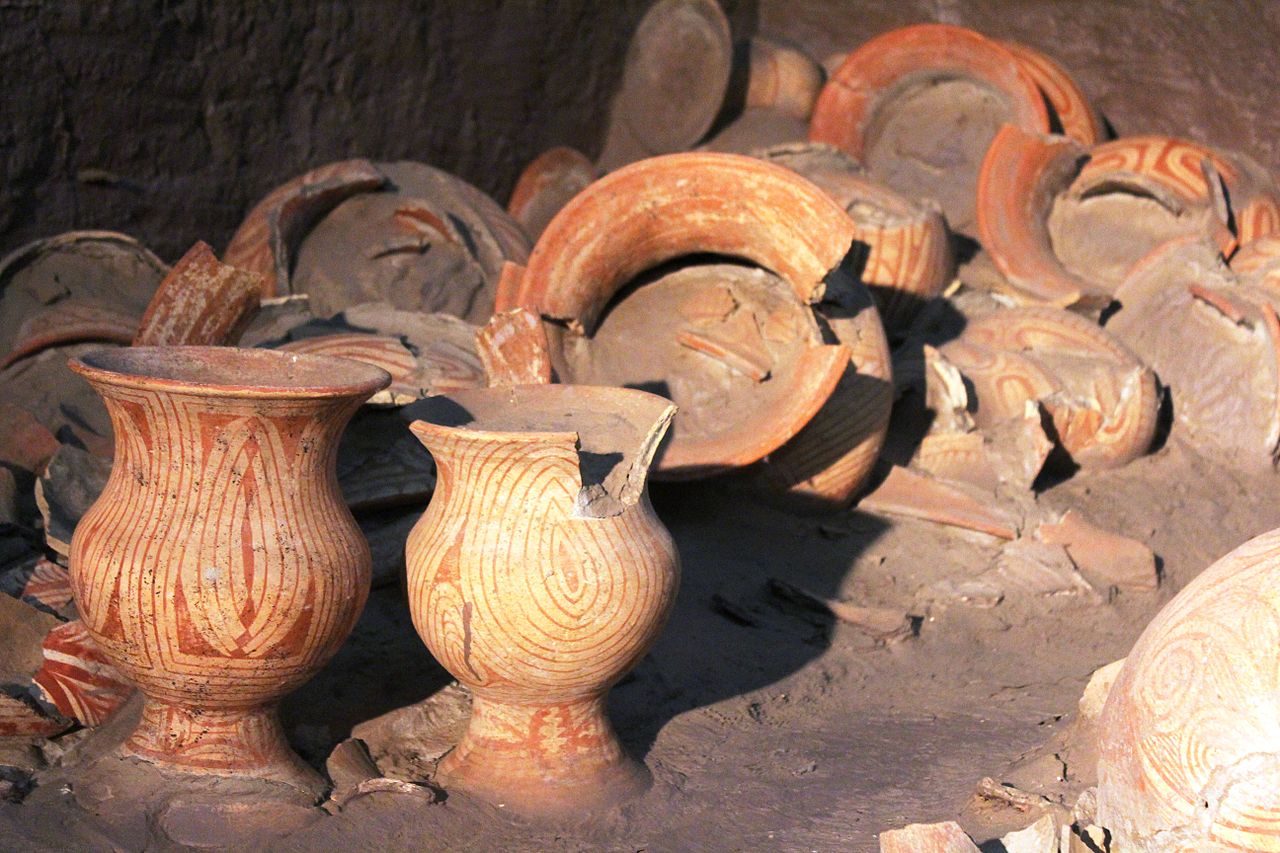
Archaeological site in Udon Thani province, Thailand
Ban Chiang (บ้านเชียง; บ้านเซียง) is an archaeological site in Nong Han district, Udon Thani province, Thailand. It has been a UNESCO World Heritage Site since 1992. Discovered in 1966, the site first attracted interest due to its ancient red-painted pottery. Furthermore, Ban Chiang is a significant site known for its archaeological evidence of early agriculture and its strong influence of culture depicted through artwork specifically seen in the red-painted pottery. Ban Chiang’s long history of site history and metal craftsmanship shows the biological and cultural changes over time and their…
What travel creators say
A UNESCO World Heritage site where excavations uncovered a Bronze Age culture dating back over 5,000 years, including distinctive red-painted pottery displayed at an on-site museum.
A museum with artifacts thousands of years old; she finds it interesting and educational, and notes it's a World Heritage site (30 baht for Thais, 150 for foreigners).
A UNESCO World Heritage prehistoric site over 5,000 years old, famous for ancient pottery, bronze tools and burial sites preserved in situ, with a museum of artifacts.
A UNESCO World Heritage site testifying to Thailand's prehistoric past, with artifacts and earthenware giving insight into the region's ancient culture.
From videos in other languages
5000年以上前の古代集落でユネスコ世界遺産。複雑な模様の土器や青銅器、ビーズ装飾品、タイ最古級の内陸塩取引の跡が発掘されたと解説。
แหล่งโบราณคดีมรดกโลกของยูเนสโกตั้งแต่ปี 2535 จัดแสดงภาชนะดินเผาลายเขียนสีอายุ 2,300-3,000 ปี หลุมฝังศพโบราณ และโครงกระดูกสุนัขโบราณชื่อทองโบราณ
บ้านเชียงเป็นแหล่งโบราณคดีระดับโลกและมรดกโลก แต่พื้นที่ที่ขุดค้นและเปิดให้เห็นเป็นเพียงส่วนเล็กมาก พื้นที่นอกเขตมรดกโลกยังแทบไม่เคยถูกขุดอย่างเป็นระบบ
Bölgenin en bilinen yerlerinden biri olup UNESCO Dünya Mirası listesinde bulunuyor.
แหล่งอารยธรรมโบราณกว่า 5,000 ปี ปิดวันจันทร์อังคาร แต่มีร้านค้าชุมชนมรดกโลกบ้านเชียงขายเสื้อผ้าและของฝากมากมาย
Al norte de la región se encuentran algunos de los asentamientos más antiguos del mundo, donde se cree que se cultivó arroz por primera vez y se desarrolló el tejido de seda.
Site classé à l'UNESCO abritant l'un des plus importants musées du pays, qui retrace l'histoire de la région et expose les célèbres poteries antiques.
เล่าว่าแยกซ้ายจากไฟแดงหนองเม็กเข้าไปไม่กี่กิโลจะเป็นพิพิธภัณฑสถานแห่งชาติบ้านเชียง อายุ 5,000–6,000 ปี และจะพาไปชมในโอกาสหน้า