 PlaceTube
Huayan Temple
Datong, China · Videos: 31 · Map
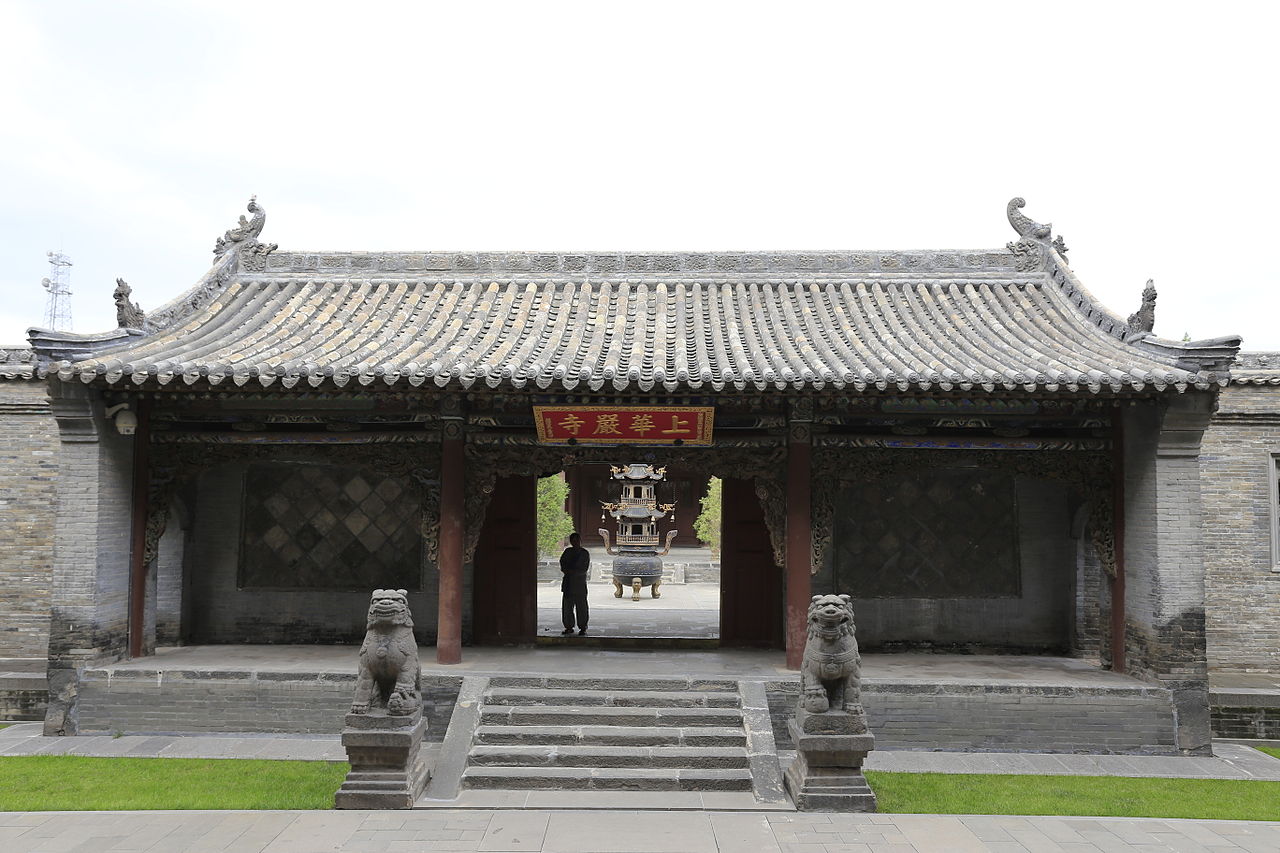
Buddhist temple in Shanxi, China
Huayan Temple or Huayan Monastery is a Buddhist temple located in Datong, Shanxi, China. Huayan Temple has been burned down and rebuilt several times. The Daxiongbao Hall and Cangjing Ge still preserve the architectural style of the Liao and Jin dynasties (907–1234). It is an artistic complex of ancient Chinese architecture, sculpture, frescoes and inscriptions, as well as a cultural synthesis of religion and politics.
What travel creators say
The presenter visits this free temple with large, exquisite grounds that remind of Kyoto, a white pagoda and a park with traditional buildings — empty even in peak season.
A bustling square in the old city near Xijin Road, where the presenter finds a famous knife-cut noodle restaurant with a huge queue.
From her balcony she looks across at the Huayan Temple, an ancient, popular and beautiful temple opposite her hotel in the town center.
The presenter calls Huayan Temple exceptionally beautiful and her favorite spot, praising its murals and serene atmosphere.
They visit the 43.5 m Huayan Pagoda, the second tallest wooden pagoda in China, and the underground hall made of 100 tons of copper, plus the grand hall built in 1062 CE.
Visited alongside Shanhua Temple for its Liao and Jin dynasty wooden halls and beautiful sculptures inside.
An imperial temple inside the old city walls, first built in 1038 under the Liao and rebuilt in the Jin; the presenter admires its gate, halls, murals and sculptures from both dynasties.
He describes the Huayan Temple as the oldest Buddhist temple in China, unusual for facing east because it was built around 1056 by the Khitan people who worshipped the sun.
She visits the Liao-Jin Sakyamuni Hall with China's largest chiwen roof ornaments, the smiling Bodhisattva, and the copper underground palace beneath the Huayan Pagoda.
A key Liao and Jin era Buddhist site with dark timber halls, gilded statues, painted murals and a striking layered wooden ceiling.
The Huayan Temple in Datong is a peaceful place filled with Buddhist statues and delicate carvings, good for reflecting on ancient traditions.
A peaceful place filled with Buddhist statues and delicate carvings, whose grandeur and quiet charm make it perfect for reflection.
One of three must-see temples Noah recommends, dating back to the Liao and Jin dynasties, with stunning architecture, intricate sculptures and peaceful courtyards.
Famous for its magnificent Song Dynasty murals and exquisite Buddha statues, showing the glory of ancient Chinese art.
Huayan Temple is a Liao-Jin Buddhist complex on Qingyuan Street in Datong, founded in 1038 and named after the Avatamsaka Sutra. The presenter explains it faces east due to Khitan sun worship, covers 61,865 square meters, and holds the largest Liao-Jin Mahavira Hall along with many Liao dynasty treasures.
Built in 1062 as the royal temple of the Liao Dynasty, the large temple is split into upper and lower parts; the presenter admires the exquisite Qing Dynasty murals and the Mahavira Hall with its Five Buddhas.
One of the best-preserved ancient temples in Datong, split into upper and lower temples, famous for its Great Hall and Bhagavad Gāthāna Hall, with exquisite architecture, sculptures and murals painted by Central Academy of Fine Arts professors.
A Liao Dynasty temple built in 1062, one of three surviving Liao temples in China, with a 4.5-meter glazed owl kiss on the main ridge and Khitan-style east-facing layout.
Mentioned as one of the historic buildings renovated during Datong's 2008 cultural preservation project led by Geng Yanbo.
Not far from Yungang lies Huayan Temple, also built during Emperor Daozong's reign, whose fully Sinicized statues share striking artistic similarities with the repaired heads in Cave 13.
A magnificent temple in the heart of Datong, often shrouded in incense smoke, mostly dating from the Liao and Jin dynasties.
He visits this temple dating back a thousand years to the Liao dynasty, praising its architecture and mentioning a library holding over 18,000 Buddhist volumes, describing it as an oasis of peace in the city center.
From videos in other languages
491년에 지어진 절로, 불교·도교·유교가 모두 합쳐진 종교를 대표하는 석상들이 있다고 소개한다.
古城西南角近千年的華嚴寺是遼國皇室家廟,座西朝東,主持人細看天王殿、大雄寶殿、華嚴寶塔與薄伽教藏殿的合掌露齒菩薩。
드라마 속 성문 같은 풍경과 다리, 연못이 있는 사찰로, 사람들이 손을 맞춰 사진을 찍는 모습을 본다.
主持人带着“佛小伴”文创来华严寺找合掌露齿菩萨原型,说这里是打黄眉前最后一个殿的取景地,八大辽构大同占两个,门票40元。
位于大同古城内,是辽金时期的皇家寺庙,堪称大同古城的地标与灵魂。坐西朝东,30余座单体建筑分列东西两条主轴线上,薄伽教藏殿内29尊辽代彩塑和大雄宝殿正脊上的琉璃鸱吻都令人惊叹。
门口华严广场全是旅拍,这个季节人非常少;普光明殿的壁画由中央美院百余师生2009年起创作,大雄宝殿有清代壁画,还有华严宝塔和薄伽教藏殿里的露齿菩萨。
始建于辽代1038年,是中国现存年代较早、保存较完整的辽金寺庙建筑群,门票40元,内有精美镶金壁画和千年佛像,非常推荐。
位于大同古城内,寺内有华严宝塔可以登顶,登顶有点累,还有富丽堂皇的地宫可以下去,里面能观摩舍利子。
博主步行到华严寺,喜欢这里修旧如旧的辽金建筑群和匾额,还登上宝塔、进入纯铜地宫,爬楼爬到气喘吁吁。