 PlaceTube
Bosque del Apache National Wildlife Refuge
San Antonio, United States · Videos: 10 · Map
Protected area in New Mexico, US
The Bosque del Apache National Wildlife Refuge ("Woodland of the Apache") is a national wildlife refuge located in southern New Mexico. It was founded in 1939 and is administered by the U.S. Fish and Wildlife Service. It is a favorite spot to observe sandhill cranes, which spend the fall and winter in the area. The reserve is open year-round and provides safe harbor for its varied wildlife. Visitors to the refuge also enjoy partaking in activities such as hiking, cycling, driving tours on the 12-mile scenic auto route, and participating in educational programs offered on site.
What travel creators say
About two and a quarter hours from Ruidoso, where thousands of sandhill cranes and snow geese winter from late October into February. Be at the ponds at sunrise; outside winter, skip it.
The presenter describes this central New Mexico refuge as a green corridor of wetlands and cottonwoods between mountain ranges, famous in winter for huge flocks of sandhill cranes rising at dawn.
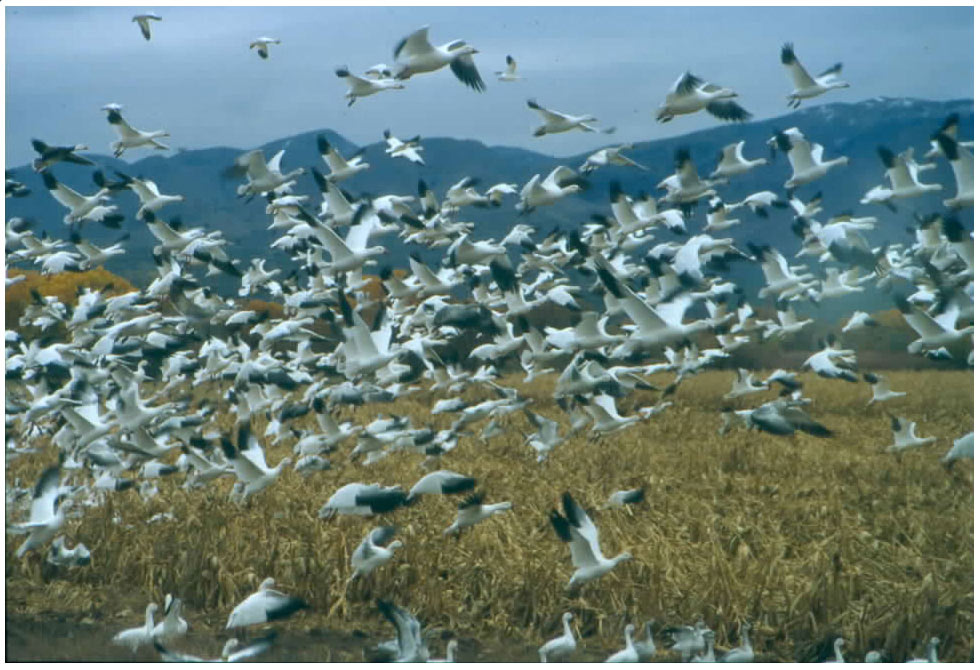
Each winter tens of thousands of sandhill cranes and snow geese descend on its managed wetlands, lifting off en masse at dawn and dusk.
The presenter says the wetland lies on a major migratory flyway, filling with sandhill cranes and snow geese at sunrise and sunset.
Winter fields fill with sandhill cranes and snow geese; shallow ponds and flooded fields are managed on purpose, and corn and grain are grown on site as food for the birds.
Established in 1939 to restore wetlands, it hosts up to 10,000 sandhill cranes and 30,000 snow geese each winter from November to February.
The refuge is described as a key migration stop hosting up to 10,000 sandhill cranes and 30,000 snow geese each winter.
A Rio Grande floodplain refuge established in 1939, hosting up to 10,000 sandhill cranes and 30,000 snow geese each winter.
They visit this 57,000-acre refuge where 100,000 migrating birds winter, driving the 14-mile scenic loop and hoping to see sandhill cranes, but find few birds on a grey afternoon.
From videos in other languages
Humedales restaurados en la llanura del Río Grande, clave para la migración de hasta 10.000 grullas canadienses y 30.000 gansos nivales.