 PlaceTube
W National Park
Niamey, Niger · Videos: 21 · Map
National park in West Africa
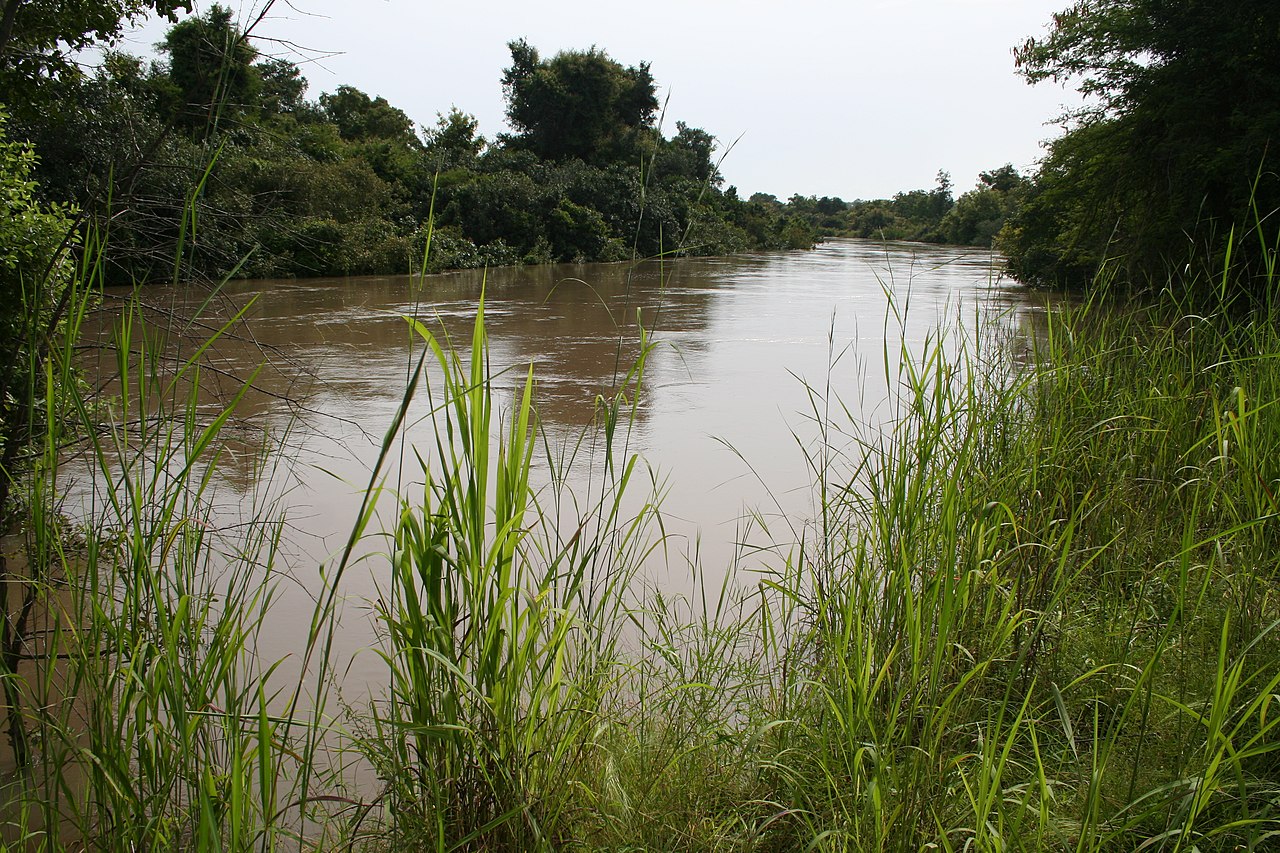
The W National Park or W Regional Park is a major national park in West Africa around a meander in the Niger River shaped like the letter W. The park includes areas of the three countries Niger, Benin and Burkina Faso, and is governed by the three governments. Until 2008, the implementation of a regional management was supported by the EU-funded project ECOPAS. The three national parks operate under the name W Transborder Park. The section of W National Park lying in Benin, measuring over 8,000 km2 (3,100 sq mi), came under the full management of African Parks in June 2020. In Benin, W…
What travel creators say
Part of a transboundary reserve with wide savannas and riverine forests; the presenter praises guided safaris, diverse birdlife and lodges where you wake to the sound of the wild.
A tri-national park named for the double bend of the Niger River, spanning Niger, Burkina Faso and Benin, home to elephants, lions, hippos and the rare West African giraffe.
W National Park is described as a UNESCO World Heritage Site straddling Benin, Burkina Faso and Niger, named for the W-shaped bend of the Niger River and known for its elephants, hippos, buffaloes and birdlife.
A UNESCO biosphere reserve shared with Burkina Faso and Benin, home to elephants, lions, giraffes and abundant birdlife, with great safari opportunities.
Flagged as a multi-country UNESCO site with elephants, lions, hippos, antelopes, crocodiles and over 350 bird species.
Three hours south of Niamey on the western bank of the Niger, this park is one of the last great strongholds for West African wildlife, named for the double bend in the river and rich in antelope, elephants, lions and bird life.
A transboundary UNESCO World Heritage park shared with Benin and Burkina Faso, known for its diverse wildlife and savannah landscapes.
One of the last great strongholds for West African wildlife, three hours south of Niamey on the western banks of the Niger River, with an impressive diversity of animals even if density is lower than in East Africa.
W National Park is described as a UNESCO World Heritage Site spanning Benin, Burkina Faso and Niger, named for the W-shaped bend of the Niger River and known for its large elephant population and diverse birdlife.
A UNESCO World Heritage biodiversity hotspot on the Niger border, named for the river's W shape, with over 350 bird species plus elephants, hippos and cheetahs.
W National Park, spanning Benin, Burkina Faso, and Niger, is a UNESCO World Heritage site rich with hippos, crocodiles, and over 500 bird species.
A UNESCO World Heritage site named for the W-shaped meander of the Niger River, described as a wildlife sanctuary where you can spot elephants, giraffes, lions, leopards, cheetahs and over 350 bird species on safari.
A biodiversity treasure shared with Niger and Benin, offering the chance to see elephants, lions and buffalo.
Called a UNESCO World Heritage site sheltering elephants, giraffes, lions, cheetahs and over 350 bird species, making Niger a haven for wildlife watchers.
This UNESCO World Heritage site is home to elephants, lions and hippos, and visitors can take a safari to see the wildlife in its natural habitat.
The presenter calls W National Park a biodiversity treasure between Niger, Burkina Faso and Benin, home to elephants, lions, leopards and over 350 bird species.
A transboundary park shared with Niger and Burkina Faso, with diverse ecosystems and abundant wildlife.
A UNESCO World Heritage wildlife reserve home to elephants, lions and hippos, visited at sunset for a safari-style animal-spotting game.
W National Park is the most famous national park in Niger, a UNESCO World Heritage site with transition habitats between savannah and West African woods, home to baboons, buffalo, giraffes, leopards and lions.
A herd driven by a Peul herdsman crosses the W National Park in Niger illegally; in 1981 cattle brought plague that wiped out the whole buffalo population. The park is part of a 5-million-acre protected area straddling Burkina Faso, Benin and Niger.
From videos in other languages
Les méandres du fleuve forment un immense W qui a donné son nom à ce parc, l'un des derniers refuges de la faune sauvage d'Afrique de l'Ouest, inscrit à l'UNESCO depuis 1996.