 PlaceTube
National Mint of Bolivia
Potosi, Bolivia · Videos: 43 · Map
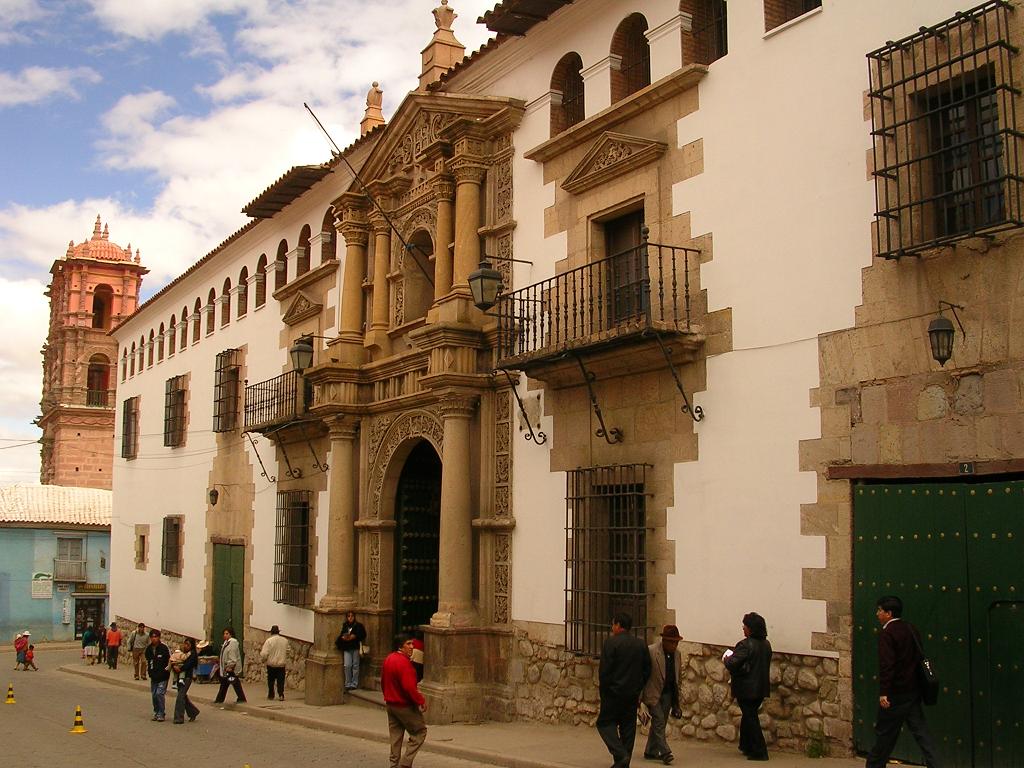
Building in Potosí, Bolivia
The National Mint of Bolivia or the Mint of Potosí is a former mint located in the city of Potosí in Bolivia. It was from the mint of Potosí that most of the silver shipped through the Spanish Main came, in the form of coins denominating the Spanish dollar, which became world's major international currency during the reign of the Spanish Empire. The current-day facility is a museum, on the site of the colonial mint's second location, which operated from 1773 to 1951.
What travel creators say
The National Mint, a key visit in Potosí before looking toward Cerro Rico.
The presenter visits the National Mint, where he learns that the dollar sign supposedly originated from the letters P-T-S-I stamped on coins, and tours the old machinery, furnaces and coin presses.
A museum that reveals Potosí's extraordinary mining and minting history.
The colonial mint that once produced silver coins which became a global standard, a legacy of Potosí's golden age still visible in its streets.
The Mint Museum in Potosí, showing the other side of the silver mining story after the mine tour.
A grand colonial-era mint where silver coins were made, now full of old minting machines, tools and exhibits on the city's wealth.
The former royal mint in Potosí, recommended as a tour in the city that was once the richest in the Americas.
The video describes the Casa de la Moneda as the place where silver was turned into coins that became the world's first global currency, and later recommends its $4 tour.
The video says the Royal Mint produced coins that became a global standard and is part of the city's colonial architecture.
A colonial building that housed the silver refinery, now a museum of Potosí's minting history.
A museum in Potosí that once housed the Royal Mint.
The former mint museum in Potosí, recommended alongside the silver mine tours.
Listed among the significant landmarks to check out in Potosi, along with the Church of San Lorenzo de Carangas and the Cathedral.
An excellent museum created out of the town's original mint, alongside Potosí's wonderful colonial architecture.
The presenter visits the legendary mint of Potosí and tries making a coin in the old-fashioned way with a hammer.
From videos in other languages
El lugar obligatorio de Potosí: su construcción comenzó en 1753 y se inauguró en 1773; aquí se acuñaban monedas de plata del Cerro Rico. Hoy es museo con máquinas antiguas, momias y la explicación del origen del símbolo del dólar.
Aún recuerda las monedas de plata que vincularon a Bolivia con el mundo entero.
Mientras espera para sumarse a un tour, identifica la Casa de la Moneda y cuenta la historia colonial de la plata acuñada aquí.
Ao pé da montanha conserva-se a cidade colonial, com igrejas, antigas mansões e a Casa da Moeda.
miles de personas visitan anualmente esta ciudad museo y también su histórica casa de la moneda
O edifício onde toda a prata do Cerro Rico era derretida, prensada e estampada para virar o Real de Oito, moeda usada no mundo inteiro.
Il luogo ufficiale dove veniva coniata la moneta spagnola d'argento, oggi museo visitabile con visita guidata.
L'ancienne fabrique de la monnaie, visitée pour le bâtiment lui-même, jugé magnifique avec sa cour et sa fontaine au centre.
El lugar donde se acuñó el real de a ocho, la primera moneda mundial; dentro, máquinas gigantes de madera movidas por mulas prensaban lingotes de plata.
Edificio imponente donde se acuñaba la plata que viajó a todo el mundo; se recorren exposiciones con mapas antiguos, utensilios mineros, joyas coloniales y herramientas de los esclavos, con visitas guiadas.
E agora estamos aqui em frente à Casa da Moeda aqui de Potosi
La Casa de la Moneda, construida en el siglo dieciocho, es un museo monumental que revela el funcionamiento brutal de las monedas acuñadas allí y distribuidas por todo el mundo.
El 80% de la plata que existe en el mundo a día de hoy proviene de Potosí y eso es gracias principalmente a este lugar, la Casa de la Moneda
y también conocer, por supuesto, el casco viejo de esa ciudad colonial con su casa de moneda, visitado por miles de turistas cada año.
Visitaram o famoso museu criado pelos espanhóis em 1773, com máscaras, relógio de sol, a primeira locomotiva da Bolívia, salas das moedas de prata, fornos coloniais, múmias e maquinário antigo.
Най-известният музей в града — бивш монетен двор от 18 век, където Испанската империя е секла сребърни монети. Стефи посещава тур на испански и вижда монети, изложби за минното дело и минерали.
в центре Потоси построили самый большой в Южной Америке Монетный двор — Casa de la Moneda
entre los monumentos más destacados encontramos la casa de la moneda construida en el siglo XVII lugar donde se acuñaban monedas de plata
입장료 40볼리비아노를 내고 가이드 투어로 들어가, 은으로 동전을 만들던 기계와 아프리카 노예들이 은을 만들던 역사 설명을 듣는다.
es imprescindible la visita a la Casa de la moneda