 PlaceTube
Palace Museum
Beijing, China · Videos: 22 · Map
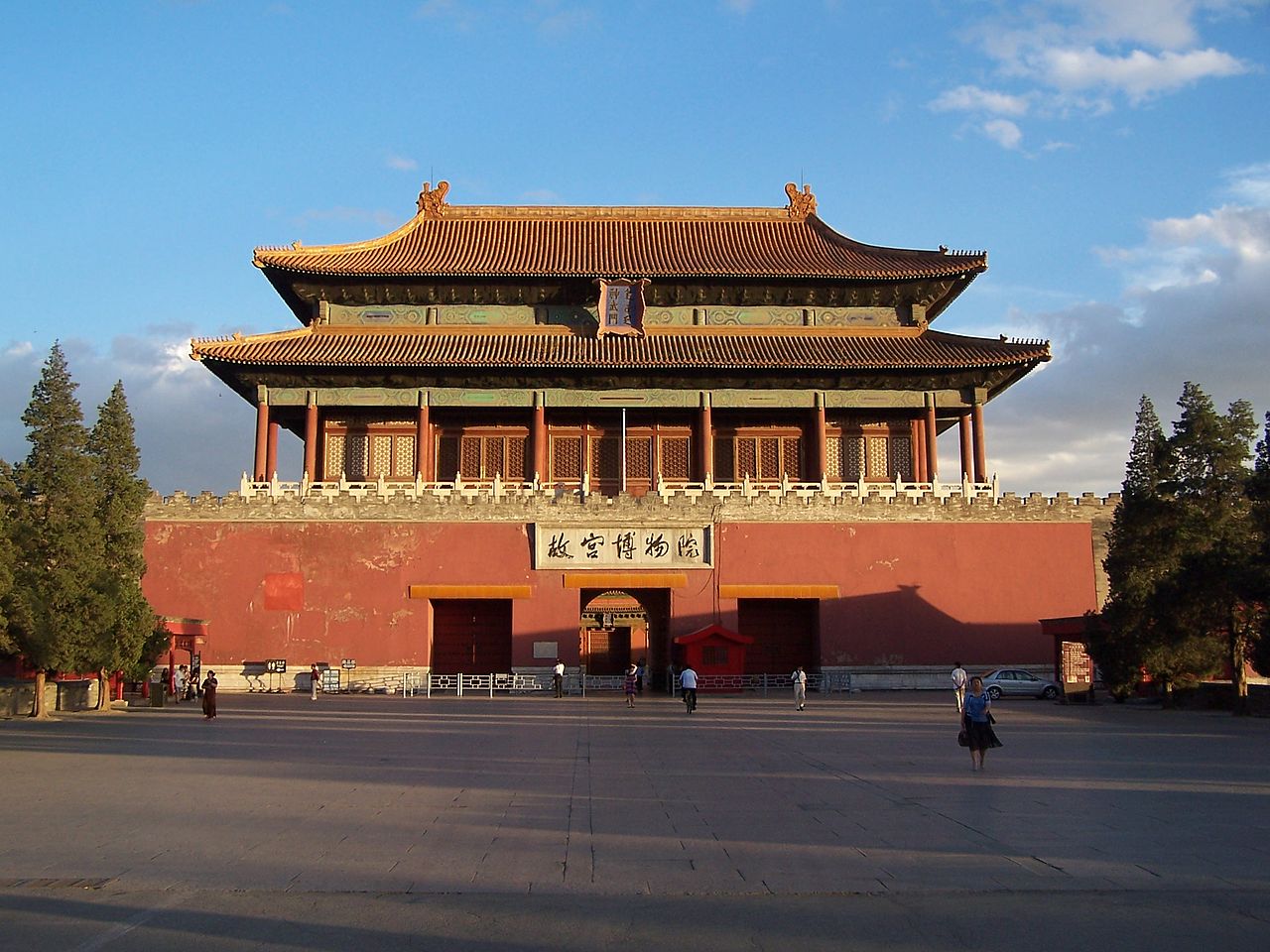
Museum in the Forbidden City, Beijing, China
The Palace Museum, also known as the Beijing Palace Museum, is a large national museum complex housed in the Forbidden City at the core of Beijing, China. With 720,000 square metres, the museum inherited the imperial royal palaces from the Ming and Qing dynasties of China and opened to the public in 1925 after the last Emperor of China, the Xuantong Emperor (Puyi), was evicted in 1924. Constructed from 1406 to 1420, the museum consists of 980 buildings. It is home to over 1.8 million pieces of art, mostly from the imperial collection of the Ming and Qing dynasties. The 20th century saw its…
What travel creators say
The video says the Forbidden City is now home to the Palace Museum, which houses an unparalleled collection of ancient artifacts, paintings, ceramics, and jade sculptures.
The Palace Museum preserves the imperial court's collections of ceramics, paintings, calligraphy, bronzes, jade and textiles, and opened in 1925.
After another security check the presenter enters the Palace Museum area inside the Forbidden City, marveling at the massive squares, water features and wooden buildings held together without nails.
They check out the museum with artifacts, old pottery and paintings from the 15th to 17th century, though it was hard to record.
He explains that in 1925 the complex opened to the public as the Palace Museum, the name still used in Chinese, and that this year marks its 100th anniversary with celebrations and events.
The Palace Museum occupies the former imperial compound, which opened to the public in 1928.
In autumn 2021 the Palace Museum in Beijing hosted 'Beyond the Bounds of History,' a collaborative exhibition with the Dunhuang Academy, where the replicated Cave 285 became a highlight.
Michael explains the Forbidden City now serves as the Palace Museum, one of the world's largest museums with 1.86 million artifacts, founded in 1924 and approaching its 100th anniversary.
The last attraction included in the combined ticket, which they missed because the compound closed at 5:30 p.m.
He recommends buying Forbidden City tickets through the Palace Museum's English website, where you can also book the Clock Museum and Treasure Hall together.
The presenter mentions the Palace Museum inside the Forbidden City with its large collection of Ming and Qing dynasty art and artifacts.
The presenter walks through the Palace Museum, the museum housed inside the Forbidden City, showing its courtyards and halls.
The Forbidden City now houses the Palace Museum, which has been a museum since the 1920s and became the Palace Museum in 1925.
After the last emperor was expelled in 1924, the palace began a new life under this name, and today a mammoth restoration project is underway.
The Forbidden City officially opened as a museum on October 10, 1925, renamed the Palace Museum, letting ordinary Chinese people enter for the first time in 500 years.
The museum inside the Forbidden City, holding over a million artifacts and showcasing imperial architecture, halls and courtyards.
Unseen China | Hidden Places You Won't Believe Exist! | Travel Video 4K · My Unreal Planet TV
From videos in other languages
Museum ini berdiri pada 1925, dan bangunan serta koleksi bekas istana kini dipelajari dan dikunjungi publik.
Ведущий говорит, что сегодня на территории Запретного города находится Музей императорского дворца Гугун площадью около 720 000 м² с 980 зданиями и 9 999 комнатами.
Ele conta que em 1925 a Cidade Proibida foi transformada oficialmente em Museu do Palácio, completando 100 anos de funcionamento como museu, e que é o museu mais visitado do mundo.
Ao sair da Cidade Proibida, explica que após a revolução de 1911 a família imperial viveu nos fundos até 1925, quando o local foi aberto como Museu do Antigo Palácio.
世界最大の宮殿として北京の見どころに挙げられています。
أُعلن إنشاء متحف القصر رسمياً عام 1925 وافتُتح للعامة، ويضم أكثر من 1.5 مليون قطعة أثرية تمثل 42% من التحف الأثرية في الصين.