 PlaceTube
Jaffna Fort
Jaffna, Sri Lanka · Videos: 40 · Map
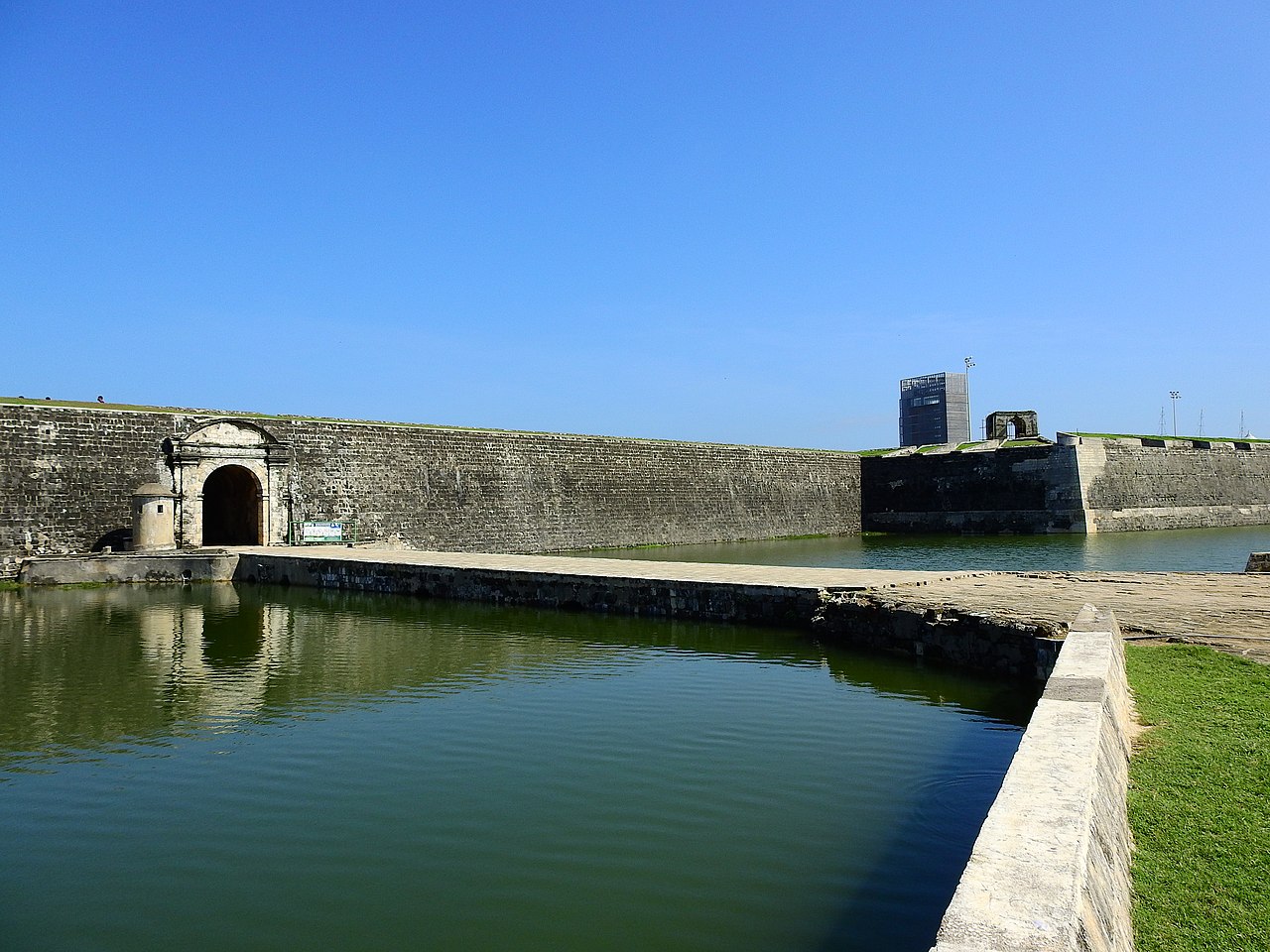
Fort
Jaffna Fort is a fort built by the Portuguese at Jaffna, Sri Lanka, in 1618 under Phillippe de Oliveira following the Portuguese invasion of Jaffna. The fort is located near the coastal village of Gurunagar. Owing to numerous miracles attributed to the statue of the Virgin Mary in the church nearby, the fort was named as Fortress of Our Lady of Miracles of Jafanapatão. It was captured by the Dutch under Rijcklof van Goens in 1658, who expanded the structure. In 1795, it was taken over by the British, and remained under the control of a British garrison until 1948. As the only large military…
What travel creators say
A fort built by the Portuguese in 1618 and expanded by the Dutch, with massive ramparts, ancient gates and views over the city and lagoon.
The star-shaped fort that records Portuguese and Dutch control of the region.
Built by the Portuguese in 1618 and expanded by the Dutch, it is the second largest fort in Sri Lanka; walking its massive stone walls at sunset gives a breathtaking view of the Jaffna Lagoon.
The presenter calls this gigantic fort the main seaport of the northern province, built by the Portuguese in 1618 and later redesigned by the Dutch and British. It sits just off the sea and is a great spot for watching the sunset around 6 p.m.
A star-shaped fortress built by the Portuguese, expanded by the Dutch and later held by the British; walk the ramparts for sweeping views of the lagoon and city, especially at sunrise or sunset.
Built by the Portuguese, then the Dutch and British, little remains beyond the old walls and gates, but they walk the grounds and prefer the waterfront fishing huts nearby.
The second-largest fort in the country, built by the Portuguese in 1618 and expanded by the Dutch, with a star-shaped layout and grassy ramparts once used for cricket.
A landmark fort built by the Portuguese in the 17th century, offering a glimpse into the region's colonial past.
He drives past Jaffna Fort, noting its large ancient walls and that entry is free, but skips walking around because of the heat.
An imposing star-shaped fort first built by the Portuguese in 1618 and later expanded by the Dutch.
So on our right we have Japna Fort. Gorgeous. Look at that. Lovely. No need to go inside now. We've seen it.
Originally built by the Portuguese and later expanded by the Dutch, it still stands as a symbol of the city's past.
A testament to Sri Lanka's colonial and Tamil heritage, built by the Portuguese in 1618, expanded by the Dutch and later occupied by the British.
A star-shaped fort built by the Portuguese in 1618 and expanded by the Dutch, the second largest Dutch colonial fort in Sri Lanka.
The second largest fort in Sri Lanka, originally built by the Portuguese in the early 17th century and rebuilt by the Dutch into its star-shaped design.
They explore Jaffna Fort, built by the Portuguese in 1618 and later held by the Dutch, British and Tamil Tigers, noting the coral stone walls, the heat and the views over the sea.
They tour Jaffna Fort, built by the Portuguese in 1618 and later held by the Dutch, British and Tamil Tigers, noting its coral stone walls, pentagon shape and the heat.
They watch one of the most beautiful sunsets they ever saw near Jaffna Fort.
A historic fort to visit while exploring Jaffna's Tamil culture.
He pays 672 rupees to enter Jaffna Fort, built by the Portuguese in 1625, and walks through its granite ruins and ramparts while reflecting on its colonial history.
He strolls around Jaffna Fort at sunset, calling it pretty, and takes a selfie with friendly locals.
The famous star-shaped Dutch fort, one of his favorite sites in Sri Lanka, built by the Portuguese and expanded by the Dutch, with bricks made from coral.
The presenter explores Jaffna Fort, built by the Portuguese in 1619 and expanded by the Dutch, noting its coral-stone walls and damage from the civil war.
A massive, free-to-enter star-shaped fort originally built by the Portuguese and reshaped by the Dutch, with sprawling unmarked ruins to explore and views toward the islands.
He drops into the old Dutch fort, marveling at the centuries-old stone walls, moat and pentagon shape, and says he'd love an evening walk around it.
the first stop of the Jaffna city tour, we just arrived at the Jaffna Fort
From videos in other languages
Construído pelos portugueses e reconstruído pelos holandeses; de suas muralhas é possível observar a lagoa e a cidade.
El fuerte de Jaffna fue construido por los portugueses y reconstruido por los neerlandeses; desde sus murallas se contemplan la laguna y la ciudad.
पुर्तगालियों ने बनाया और डचों ने मजबूत किया यह विशाल किला आज भी इतिहास की गवाही देता है; यहाँ घूमते हुए अतीत में पहुँचने का एहसास होता है।
Dawna twierdza kolonialna, jeden z najważniejszych zabytków miasta, przypominająca o portugalskiej i holenderskiej przeszłości regionu.
16वीं सदी में पुर्तगालियों द्वारा बनाया गया पंचकोणीय किला, जिस पर डच और ब्रिटिशों ने भी राज किया; गृहयुद्ध में भी इसने बहुत कुछ झेला।
प्रस्तुतकर्ता बताता है कि यह किला 1618 में पुर्तगालियों ने बनाया था, फिर डच और ब्रिटिश ने यहां राज किया, और गृहयुद्ध में इसे काफी नुकसान हुआ।
في القلعة البرتغالية تروى فصول الاستعمار، والمكتبات التي أعيد بناؤها بعد الحروب تحكي عن شعب يكتب تاريخه من جديد.
கோட்டைக்குள் செல்ல முடியவில்லை; 6 மணிக்கு மூடப்படுவதாகவும் கடைசி நுழைவு 5 மணிக்கு என்றும் கூறி, வெளியில் இருந்து கோட்டையைப் பார்த்துக்கொள்கிறார்கள்.
1618ൽ പോർച്ചുഗീസുകാർ നിർമ്മിച്ച കോട്ട; 1948 വരെ ബ്രിട്ടീഷുകാരുടെ കൈവശമായിരുന്നു.
හිරු බැසීම බලන්න යාපනය කොටුවට එනවා; කොටුව වටා ජලයෙන් වට වී ඇති බවත්, වැඩිහිටියන්ට රුපියල් 60ක් සහ ළමයින්ට රුපියල් 30ක් ටිකට් ගන්නා බවත් කියනවා.
Podziwiają ogromny, doskonale utrzymany fort, który wciąż służy lankijskiej armii, i z którego rozciąga się wybitnie ciekawy widok na zachód słońca.
1618දී පෘතුගීසීන් විසින් ඉදිකළ බලකොටුව; හිරු බැසීම නැරඹීමට හොඳම තැන බවත්, ඇතුළත කෞතුකාගාරයක් ඇති බවත් කියයි.
das ist hier vor das ist also ich hab die geschichte jetzt die super genau im kopf aber ich weiß dass hier für die die portugiesen waren hier die die holländer man hier die briten waren hier und jeder hat das vor 40 mal beschlagnahmt
Форт построен португальцами в XVII веке, затем захвачен голландцами и британцами; сейчас отреставрирован, вход для иностранцев 4 доллара, но авторы решили посмотреть на него с воздуха.