 PlaceTube
Gede Ruins
Gede, Kenya · Videos: 23 · Map
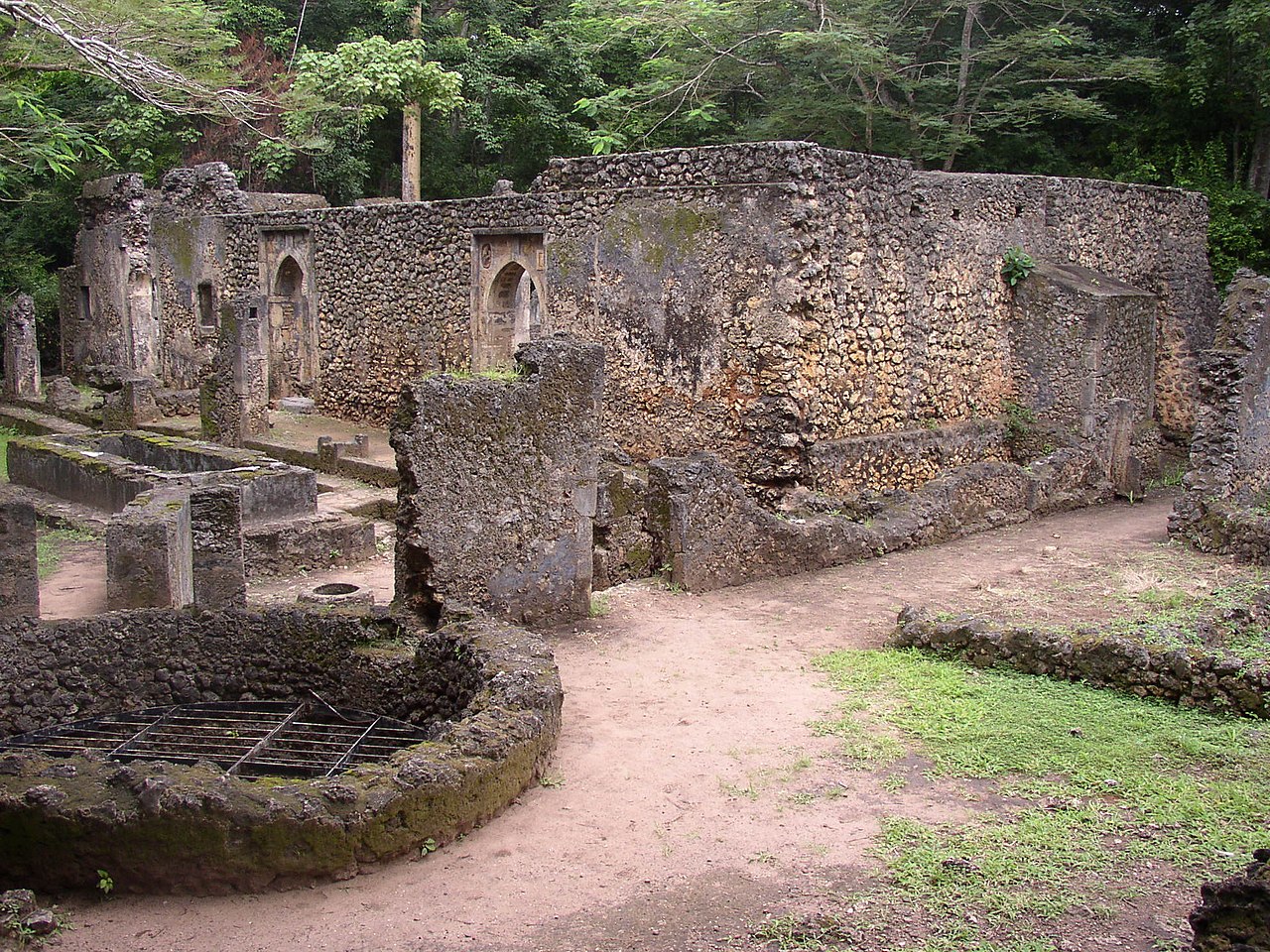
UNESCO World Heritage site in Kenya
The Ruins of Gedi (Magofu ya mji wa kale wa Gedi in (Swahili) are a UNESCO World Heritage site near the Indian Ocean coast of eastern Kenya. The site is adjacent to the town of Gedi (also known as Gede) in Kilifi County and within the Arabuko-Sokoke Forest. Gedi is one of many medieval Swahili coastal settlements that stretch from Barawa, Somalia, to the Zambezi River in Mozambique. There are 116 known Swahili sites stretching from southern Somalia to Vumba Kuu at the Kenya-Tanzania border. Since the rediscovery of the Gedi ruins by colonialists in the 1920s, Gedi has been one of the most…
What travel creators say
Ruins of a Swahili town with mosques, a palace and stone houses, abandoned by the mid-1600s for reasons historians still debate.
The centuries-old ruins of Gede, a Swahili town reclaimed by the jungle, are said to whisper stories of a forgotten civilization.
An eerie, jungle-enveloped 12th-century Swahili stone town near Malindi that holds centuries of forgotten coastal history.
The centuries-old ruins of Gedi, a Swahili town reclaimed by the jungle, whisper stories of a forgotten civilization.
In the forest 10 miles south of Malindi lies the mysterious ruined Arab city of Gedi.
A lost Swahili city hidden in coastal forest, with palaces, mosques and streets reclaimed by nature, described as pure Indiana Jones.
A mysterious stone city in the jungle, prosperous in the 15th century with coral stone houses and a palace, abandoned around 1600 with no explanation.
The centuries-old ruins of a Swahili town reclaimed by the jungle whisper stories of a forgotten civilization.
The presenter names the Gede ruins among Malindi's historical sites, a forgotten city swallowed by forest.
Mentioned as a day trip from Watamu offering insight into the coastline's long and diverse trading history.
Hidden in thick forests, hinting at a prosperous medieval city.
12th-century Swahili ruins overgrown with strangler figs and baobabs, including houses, mosques and a palace.
An abandoned Swahili city near Malindi that visitors can time-travel through.
Mysterious ruins of an ancient Swahili town from the 13th century, with a mosque, palace and houses giving insight into the region's history.
The presenter recommends the Gede Ruins (locally called Gede) as another historic site to visit while in Malindi.
Ancient Swahili city ruins you can visit near Malindi.
Number five is the Gede Ruins near Malindi, an ancient Swahili town site.
The presenter tours the ruined Swahili-Arab city of Gede, exploring its wells, graves, mosque, and houses while a guide explains its 12th-century founding and 17th-century abandonment.
He explores this abandoned Swahili coastal town lost in the jungle with a guide, seeing the great mosque, wells, baobab trees, and excavated houses showing trade with China, Europe and India.
Ruins inhabited by the Swahili people in the early 12th century, over 600 years old, with underground tunnels that acted as air conditioning.
Stop two is the Gede Ruins, an easy tuk-tuk ride from Watamu, where you learn about the beginnings of Swahili traditions and the city's inner and outer walls.
From videos in other languages
A kelet-afrikai partvidék őserdeinek maradványai rejtik a titokzatos romokat; látható a nagymecset, a palota és a házak, vízvezetékkel és fürdőszobákkal.
Antica città araba in rovina abitata da scimmie; c'è anche un rettilario con serpenti e tartarughe giganti, ed è vicinissima a Watamu.