 PlaceTube
Sannai-Maruyama Site
Aomori, Japan · Videos: 33 · Map
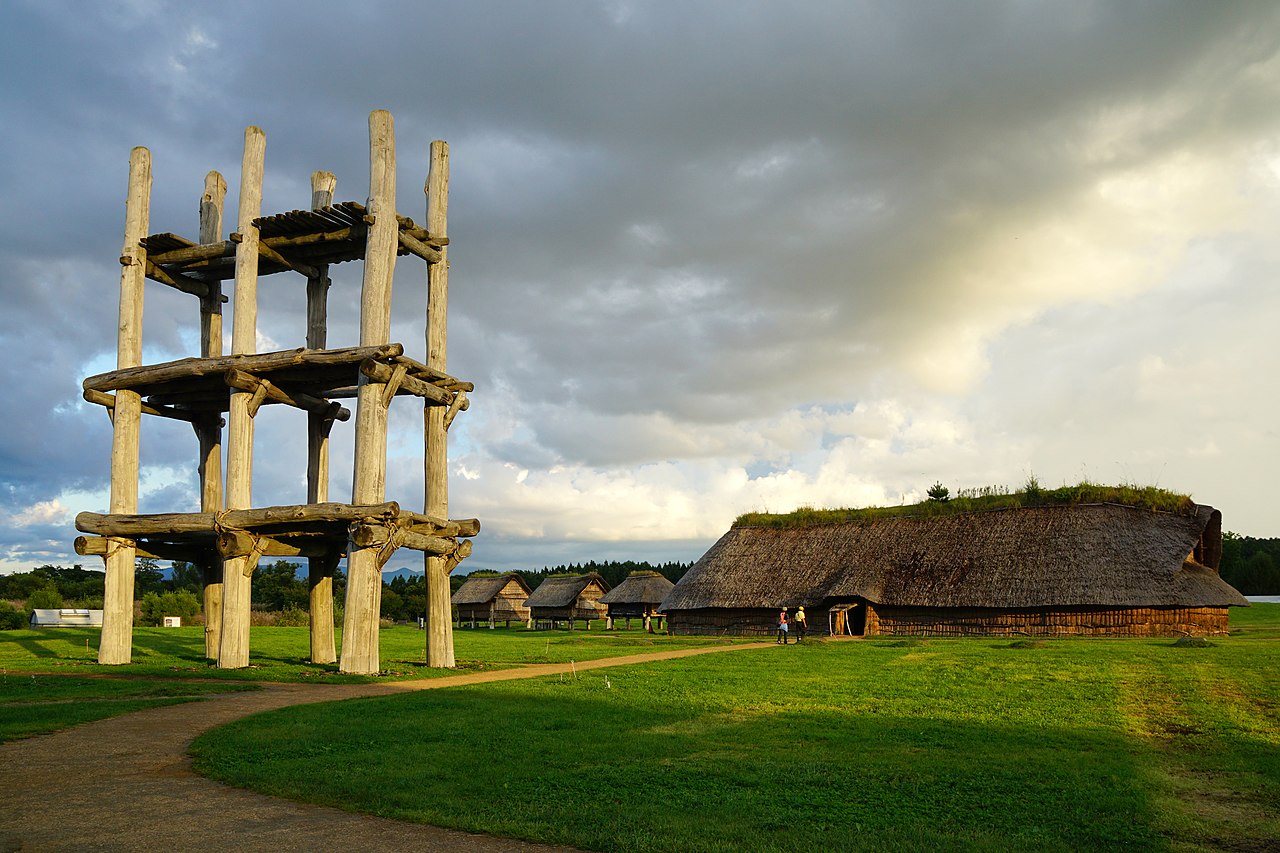
Jōmon period archaeological site and museum
The Sannai-Maruyama Site is an archaeological site and museum located in the Maruyama and Yasuda neighborhoods to the southwest of central Aomori City in Aomori Prefecture in northern Japan, containing the ruins of a very large Jōmon period settlement. The ruins of a 40-hectare settlement were discovered in 1992, when Aomori Prefecture started surveying the area for a planned baseball stadium. Archaeologists have used this site to further their understanding of the transition to sedentism and the life of the Jōmon people. Excavation has led to the discovery of storage pits, above ground…
What travel creators say
A very large archaeological site of ancient settlements in Aomori, with reconstructed buildings.
A Jomon archaeological site in Aomori City where traces of six large chestnut pillars were found; reconstructed structures including a large pillar building are open to visitors.
Explore Jomon life at the Sannai Maruyama archaeological site.
Mentioned as the famous archaeological site near the Aomori Museum of Art.
A five-minute walk from the museum, this 40-hectare Jōmon period archaeological site has pit dwellings, storage pits, burial sites and a reconstructed six-pillar building.
The presenter shows reconstructed Jōmon longhouses at this site in Aomori, where people lived around 2600 BC while the pyramids of Giza were being built.
An archaeological site offering a glimpse into Japan's ancient past, showcasing the lifestyle and architecture of early inhabitants.
A 4,000-year-old archaeological site where you can learn about Japan's ancient Jomon culture, with reconstructed houses and displays showing how people lived long ago.
The Sannai Maruyama Ruins in Aomori are highlighted as a key Jomon site revealing the life and spiritual culture of Jomon people.
A huge Jōmon-period historical site and World Heritage site showing how people lived thousands of years ago, with lots of nature around it.
One of Japan's largest and most important Jomon period sites, offering a glimpse into a community that thrived over 4,000 years ago with reconstructed pit dwellings and artifacts.
A large-scale Jomon-period site where you can glimpse life at that time; highlights are the traces of large pit dwellings and excavated pottery and stone tools.
A prehistoric Jomon period settlement with excavated relics, ancient pit dwellings and reconstructed structures giving a tangible link to a bygone era.
A Jomon-period village registered as a World Heritage site in 2021; the presenter explores the reconstructed buildings and the famous six-pillar structure.
She walks 30 minutes through deep snow to this Jomon-period archaeological site and its museum, seeing reconstructed pit houses and pottery.
From videos in other languages
この左の建物の奥がもう皆さん誰しもが社会の資料集で勉強する三内丸山遺跡ですね
약 5,900년 전부터 4,200년 전 사이의 대규모 조몬 취락으로, 대형 기둥 건물과 움집, 저장 시설, 무덤 흔적이 남아 있다고 설명합니다.
東日本最大級の縄文遺跡で世界文化遺産。大型建物や竪穴式住居が復元され、隣接展示施設では土偶などの貴重な品を学べる。
新青森駅のさらに南にある遺跡として名前を挙げています。
三丸山遺跡
縄文時代の大規模集落跡。河江氏と所長の岡田先生が遺跡内を歩きながら、竪穴住居や発掘現場、北の谷などを案内している。
美術館から5分ほど歩くと世界文化遺産の三内丸山遺跡。約5900〜4200年前の縄文時代の集落遺跡で、竪穴住居や大型掘立柱建物、土器の展示を見学しました。
約5500年前から4000年前の縄文時代の大規模集落跡で、世界文化遺産に登録。竪穴式住居や掘立柱建物の復元、縄文時遊館での展示があり、親子連れにもおすすめと紹介。
縄文時代最大級の遺跡でユネスコ世界遺産にも登録。発掘調査をもとに当時の様子が再現され、実際に中に入って当時の人々と同じ体験ができると紹介しています。
버스 대기장소에서 산나이마루야마 유적지에 가려고 했으나 도보 16분 거리의 차도라 걸어갈 수 없어 포기한다.
約5500年前から4000年前の集落跡で、2021年にユネスコ世界文化遺産に登録。復元された建物や6本の巨大な柱の建物跡が見どころ。
縄文時代の大規模集落跡。竪穴式住居に入ったり大きな建物を見学でき、見学施設も充実していて2〜3時間はいられる場所だと話す。
駅から車で10分の日本最大級の縄文時代集落跡。近代的な建物に驚きつつ、復元された縄文の村や遺跡の歴史的発見を学ぶ。
三内丸山遺跡
原本計畫要去參觀的繩紋文化歷史遺跡,但因為星期一是休館日而沒能進去。
世界文化遺産「北海道・北東北の縄文遺跡群」の一部。ボランティアガイドの説明を聞きながら、直径4mほどの竪穴住居や千年かけて積もった捨て場などを見学しています。
縄文時代の大規模集落跡を訪れ、復元された竪穴建物や大型建物、掘立柱建物、土器などを見学しています。
三内丸山遺跡