 PlaceTube
Iwami Ginzan Silver Mine
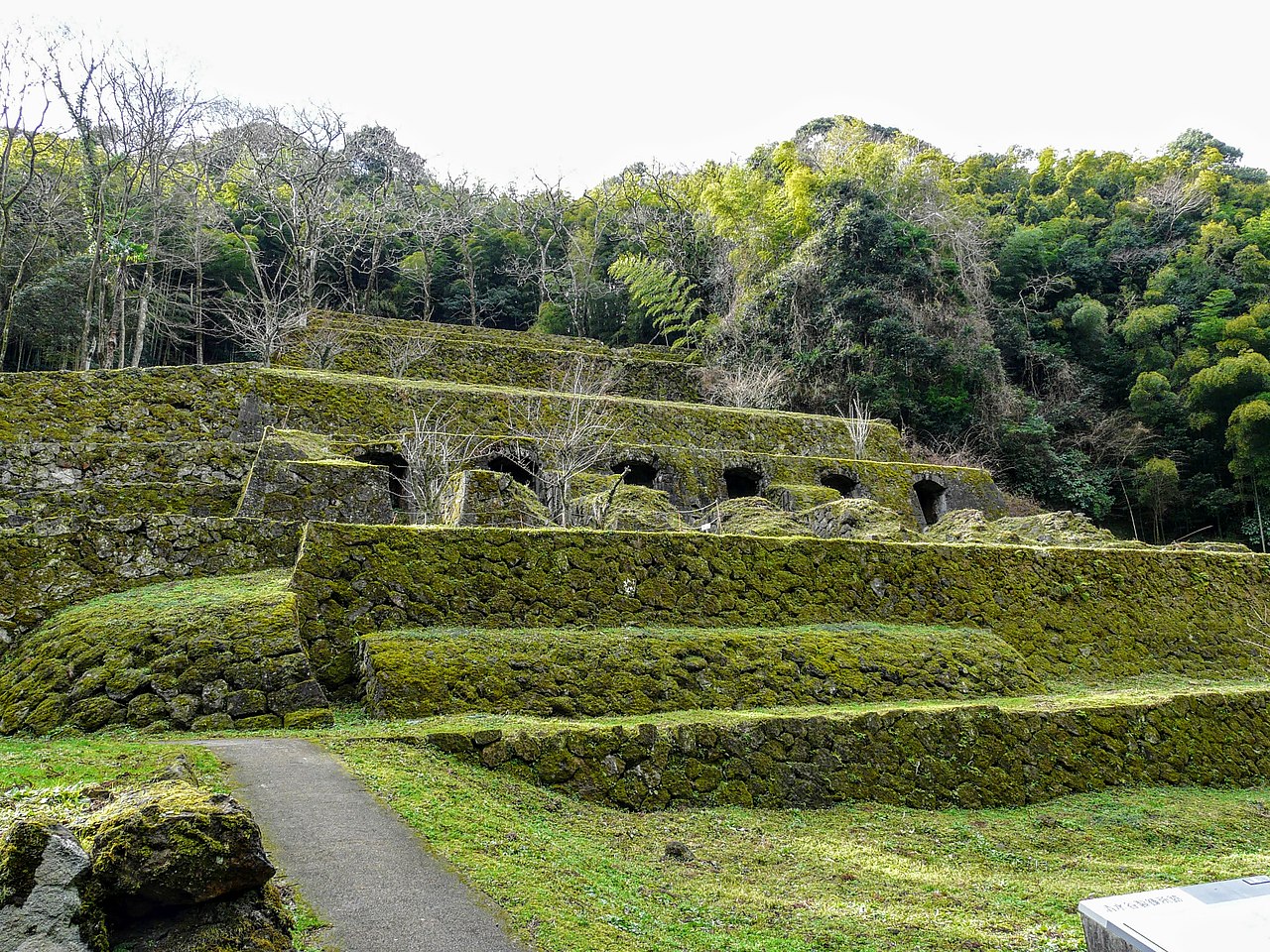
UNESCO World Heritage Site in Shimane Prefecture, Japan
The Iwami Ginzan (石見銀山) was an underground silver mine in the city of Ōda, in Shimane Prefecture on the main island of Honshu, Japan. It was the largest silver mine in Japanese history. It was active for almost four hundred years, from its discovery in 1526 to its closing in 1923. The mines, mining structures, and surrounding cultural landscape — listed as the "Iwami Ginzan Silver Mine and its Cultural Landscape" — became a UNESCO World Heritage Site in 2007.
What travel creators say
A former silver mine with over 900 tunnels, mining towns, roads and ports; in the 1500s–1600s it was central to Japan producing about a third of the world's silver.
Japan's largest silver mine, closed in the 1920s; visitors can learn about it at museums around town and even enter the mines.
The UNESCO World Heritage silver mine near Oda that the video highlights as the main attraction to explore from these hotels.
A UNESCO World Heritage Site and once one of Japan's most important silver mines, with mining tunnels, stone paths, traditional houses and small shops in a peaceful rural setting.
The historic streets of the Omori area of Iwami Ginzan, Japan's largest silver mine.
The presenter mentions the World Heritage Site Iwami Ginzan Silver Mine and says he wants to visit it someday.
The old silver mine and its surrounding mining town, once a major source of silver in Asia.
The presenter notes they are very near Iwami Ginzan, a place they visited earlier in the year, and admires the beautiful drive through the area.
next time I want to go back and walk along that nature trail where all the silver mines are
The presenter takes a two-hour bus from Hiroshima to this UNESCO World Heritage silver mining town, which he calls off the tourist radar and hard to reach.
The presenter wanders the old mining village of Iwami Ginzan, noting how old and new are mixed together and how remarkably open and empty it feels.
Japan's most famous silver mine, discovered in 1526. Free local tour guides offer explanations of the history, and foreigners get a discount on admission.
From videos in other languages
主持人介紹石見銀山在十六、十七世紀曾供應全世界三分之一的白銀,如今是世界文化遺產。
戦国時代後期から江戸時代前期に最盛期を迎えた日本最大の銀山で、2007年に世界遺産登録。当時世界の銀の1/3を日本が産出しその大半を占めた。
Ancienne mine d'argent au patrimoine UNESCO depuis 2007, qui représentait un tiers de la production mondiale à son apogée au 16e siècle.
自転車を借りて間歩を目指しました。人力で掘ったとは思えない洞窟に文明の発展を感じたと語っています。
大田市は世界遺産の石見銀山がある都市として観光業で栄えていると説明している。
最終日の目的地。世界遺産でとても広く、大森町の街並みを1時間ほど散策します。
岩銀山
世界遺産の銀山。ワンコインガイドで電動自転車に乗って坑道へ向かい、江戸時代のメインストリートや間歩(坑道)を解説付きで見学した。