 PlaceTube
Kodachrome Basin State Park
Hanksville, United States · Videos: 28 · Map
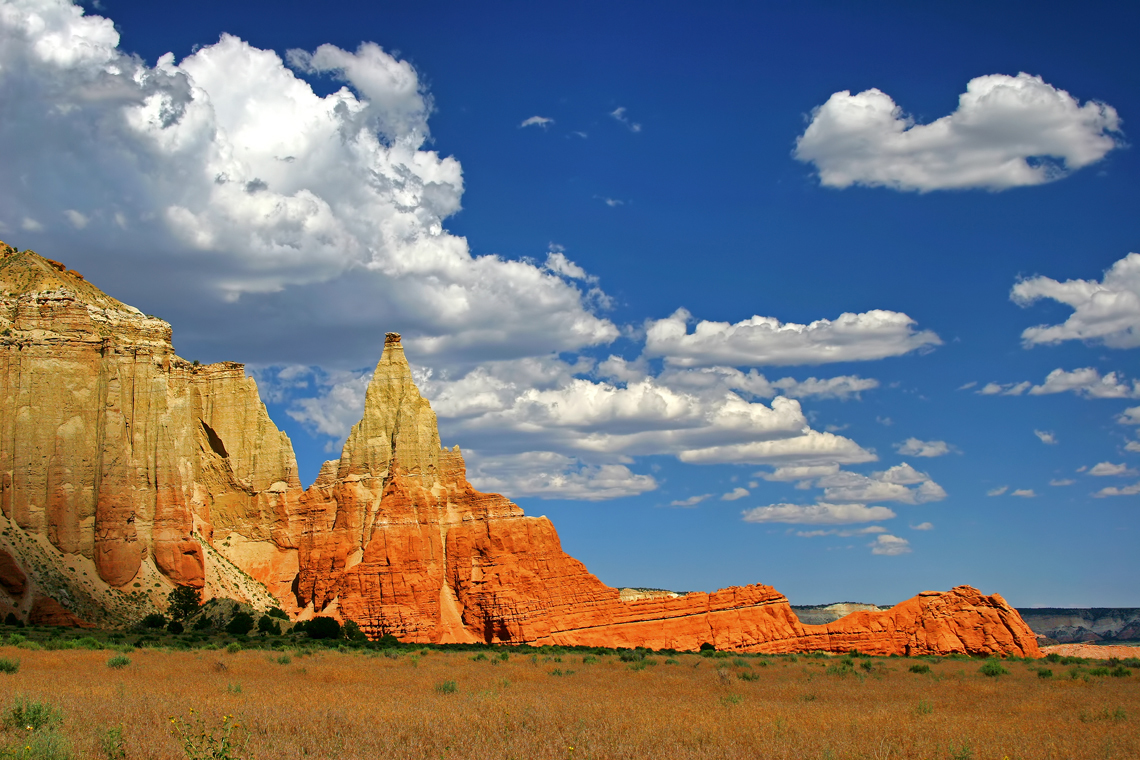
State park in Utah, United States
Kodachrome Basin is a state park of Utah, United States. It is situated 5,800 feet above sea level, 12 miles south of Utah Route 12, and 20 miles southeast of Bryce Canyon National Park. It is accessible from the north from Cannonville by a paved road and from the south by Road 400, a dirt road from the Page, Arizona area to Cannonville, passable for most vehicles in dry conditions. A longer but paved route to Tropic from the south is also available via US-89 and SR-12.
What travel creators say
A basin so colorful it was named after color film, holding 67 stone spires called sand pipes whose formation geologists still debate.
The drive continues through Escalante, past Kodachrome Basin State Park, and finishes among the glowing hoodoos at Bryce Canyon.
A basin 20 miles from Bryce Canyon holding 67 stone chimneys up to 170 feet tall, named after Kodak film by a 1949 National Geographic expedition; trails include Angel's Palace and Grand Parade.
A basin of 67 sandstone spires up to 170 feet tall, named after Kodachrome film by a 1948 National Geographic expedition, with trails between the formations and dark skies at night.
Recommended as a nearby state park worth exploring during a visit.
Kodachrome Basin State Park is named after National Geographic's film stock, with sixty-seven sedimentary pipes rising from the valley floor and trails winding past balanced rocks.
Mentioned as a side trip off Byway 12 that deserves national park status of its own.
Named after a camera film because its colors are so bright and picture-perfect.
Kodachrome Basin State Park near Cannonville covers 2,240 acres of canyon country with 67 monolithic sedimentary pipes and multi-hued sandstone layers, surrounded on three sides by Grand Staircase-Escalante.
Kodachrome Basin State Park contains over 60 sedimentary sand pipes up to 170 feet tall, named in 1948 after the Kodak film brand used by a National Geographic team.
Kodachrome Basin State Park contains over 60 sedimentary rock columns known as sand pipes, named in 1948 after the Kodak film brand.
Kodachrome Basin is named after the vivid film, with rocks in every shade and sandstone pipes that are fossilized geysers, plus narrow slot canyons.
the next one is a pretty unique one. It's called Kodakchrome State Park
Kodachrome Basin State Park is renowned for its sandstone spires called sedimentary pipes, with hiking, camping and horseback riding available.
Contains over 60 sedimentary rock columns called sand pipes, 6 to 170 feet tall, named in 1948 after the Kodachrome film brand.
Described as nearby and famous for its vibrant sandstone chimneys.
Not part of the monument, but featured in a 1949 National Geographic; its unique features are solidified hot springs and geysers that left spires and sand pipes.
Named after Kodachrome film by a 1948 National Geographic expedition, with 67 sandstone chimneys, dinosaur tracks, and dark skies.
They hike the Panorama Trail and Angels Palace Trail at Kodachrome Basin, known for its nearly 70 sandstone spires, and watch the colors glow at sunset.
A canyon west of Bryce Canyon with bright orange hoodoos and no crowds, accessible year-round when parts of Bryce close in winter.
One of his favorite Utah state parks.
They grab a campsite about 30 minutes outside Bryce Canyon, with around 50 open sites and only a couple of other campers.
The pavement ends here and Cottonwood Road begins; the turn-off to the park marks the start of the dirt road.
A side trip less than 30 miles from Bryce, named after the color film, with hiking trails and trail rides in summer.
From videos in other languages
Ein kleiner Statepark mit stark erodierten Felsformationen, Felsnadeln und kaminartigen Ablagerungen; benannt nach dem legendären Kodak-Farbfilm.
O parque leva o nome do famoso filme Kodachrome por suas cores vívidas, e sua particularidade são os sand pipes, antigos gêiseres fossilizados.
Kodachrome Basin ha colori così vividi da sembrare una cartolina d'epoca, con i sand pipes, antichi geyser fossilizzati.
Toma el nombre de la famosa película Kodachrome por sus colores vívidos, y su particularidad son los sand pipes, chimeneas de roca que en realidad son antiguos géiseres fosilizados.