 PlaceTube
Linville Gorge and Falls
United States · Videos: 22 · Map
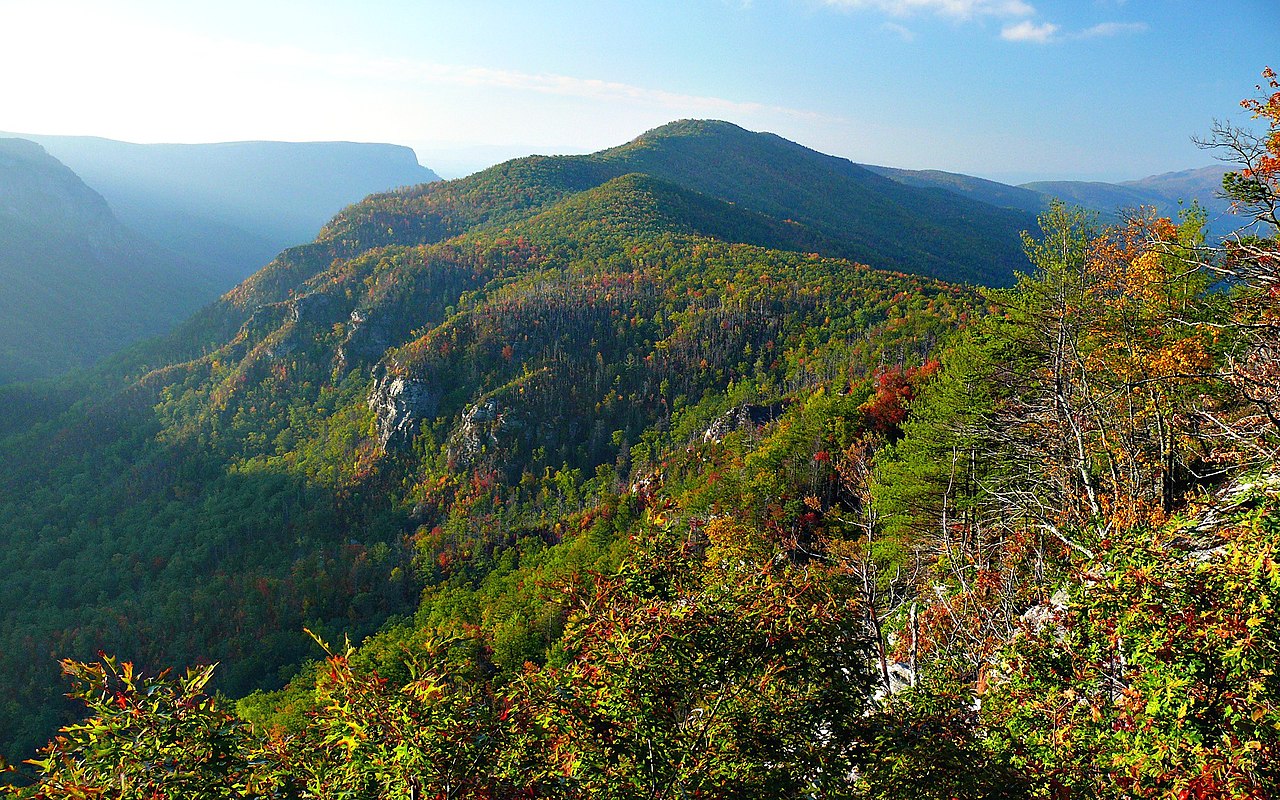
Protected area in North Carolina, United States
The Linville Gorge Wilderness ("The Grand Canyon of North Carolina") is the third largest wilderness area in North Carolina (after Shining Rock Wilderness and Joyce Kilmer-Slickrock Wilderness) and one of only two wilderness gorges in the Southern United States (along with Bald River Gorge Wilderness in Tennessee). Maintained by the United States Forest Service, it comprises 11,786 acres around the Linville River, and is situated inside the Pisgah National Forest. The river is approximately 1,400 feet below the ridge, thus hiking in and out of the Gorge is challenging and enjoyable for those…
What travel creators say
Called the Grand Canyon of the East, a steep canyon the road can only view from the rim, with old-growth forest surviving inside.
Lake James is 15 minutes out. South Mountain State Park is 20, and Linville Gorge, Pisgah, and the Parkway are all an easy morning drive.
Called the Grand Canyon of the East, part of Pisgah Forest east of Asheville, famous for sunrise and sunset views with the blue haze.
The presenter describes this sheer-walled chasm the Cherokee called 'river of cliffs,' with old-growth forest protected by its brutal terrain and the mysterious Brown Mountain Lights flickering along its edges.
The 'Grand Canyon of the Southern Appalachians' is a roadless, unmanaged geological fracture cut by the Linville River, with steep, disappearing trails.
The deepest canyon in the eastern US, called the Grand Canyon of the East, with walls plunging nearly 2,000 feet and old-growth forest untouched by loggers.
Called the Grand Canyon of the East, a steep-walled chasm cut by the Linville River 2,000 feet below, with old-growth pockets and a dry, canyon-like microclimate.
The presenter describes a gorge more than 600 meters deep where the Linville River cuts through resistant rock, designated wilderness with no roads and steep, intentionally unmanaged trails.
Linville Gorge, often called the Grand Canyon of the Eastern USA, stretches 12 miles with towering cliffs, old-growth forest, and 39 miles of steep trails.
Known as the Grand Canyon of the East, this area offers dramatic cliffs and waterfalls.
The deepest and one of the most scenic gorges in the eastern United States, located in Pisgah National Forest.
Tara notes that Linville Gorge was the nation's first officially designated wilderness area, known by the Cherokee as the river of many cliffs.
The presenter calls Linville Gorge Wilderness the 'Grand Canyon of the East', noting it holds some of the most pristine old-growth forest in the region and is one of the most popular areas in the forest.
The video is about hiking two trails in North Carolina's Linville Gorge, with sweeping views of the mountains and early fall colors.
The presenter explains that the steep ridges prevented logging, leaving some of the area's best old-growth forest on the inner canyon rims, and notes the gorge's biodiversity and mountain laurel.
The presenter introduces the 1.7 million year old gorge carved by the Linville River, calling it North Carolina's Grand Canyon.
He describes the Linville Wilderness as having a lot of old growth and awesome vegetation, and later marvels at the majestic canyon of Linville Gorge.
They descend into Linville Gorge, admiring the towering cliffs and the waterfall roaring below.
Often called the Grand Canyon of North Carolina, its steep walls enclose the Linville River for nearly 12 miles as it descends over 2,000 feet into the Catawba Valley.
From videos in other languages
Conocido como el Gran Cañón del Este de Estados Unidos, es un profundo cañón excavado por el río Linville entre las montañas Blue Ridge, con acantilados escarpados y belleza salvaje.
Una garganta de más de 600 m de profundidad tallada por el río Linville en roca antiquísima, catalogada como territorio silvestre virgen, sin carreteras y con senderos empinados sin mantenimiento.
Una de las áreas más salvajes de Blue Ridge, conocida como el Gran Cañón de Carolina del Norte, con acantilados verticales y bosques ancestrales.