 PlaceTube
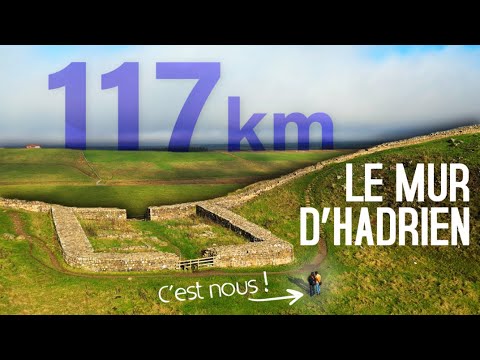
LE MUR D'HADRIEN : voyage aux frontières de l'Empire romain
Open in PlaceTube Watch on YouTube
Places in this video
- Hadrian's Wall ▶ 0:14
The presenter introduces Hadrian's Wall as the most famous border of the Roman Empire, crossing northern England from the North Sea to the Irish Sea, and explains its construction, purpose and history.
- Milecastle 39 ▶ 5:09
The presenter shows the remains of Milecastle 39, one of 80 small forts spaced along the wall, with vestiges of internal buildings, warehouses and houses that sheltered soldiers for centuries.
- Vindolanda ▶ 6:36
The presenter describes Vindolanda as one of the well-preserved larger forts, equipped with granaries, ovens, an infirmary, workshops, stables, temples and headquarters, revealing soldiers' daily life.
- Housesteads Roman Fort ▶ 7:28
The presenter visits Housesteads, where the fort is built directly against the wall on a hilltop with stunning views over the moor, and notes its vast stables and remarkably well-preserved latrines.
- Chesters Roman Fort ▶ 7:46
The presenter describes Chesters Fort on the North Tyne River, with its east gate opening onto a stone bridge and the commandant's house with a vast paved portico in the center of the camp.
- York ▶ 10:04
The presenter mentions Eboracum, today the city of York, where the Sixth Legion was stationed about a hundred kilometers south and could be called in as reinforcements via fire signals along the road.
- Antonine Wall ▶ 11:10
The presenter explains that Hadrian's successor Antoninus built the Antonine Wall in earth and wood in 142 AD between the Clyde and the Forth, but it was abandoned after only twelve years.
- Sycamore Gap ▶ 13:33
The presenter describes a solitary sycamore maple growing at the foot of the wall among Galloway cows, like a memory of the ancient Roman presence.
Cities in these videos
Bardon Mill · Chollerford · York · Bo'ness