 PlaceTube
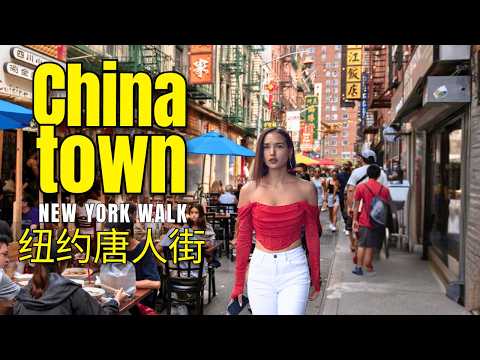
You'll forget you're in New York | Chinatown NYC Walking Tour 🇺🇸
Open in PlaceTube Watch on YouTube
Places in this video
- Pell Street ▶ 0:13
The presenter calls Pell Street one of Chinatown's most photogenic streets, a small block packed with color, dumplings, noodles and bubble tea, and returns for a last look later in the walk.
- Doyers Street ▶ 1:13
The curved lane once led to Anthony Doyer's distillery and earned the nickname "The Bloody Angle" for tong gang battles; secret tunnels are said to run beneath it.
- Nom Wah Tea Parlor ▶ 1:59
Serving dim sum since 1920, it is described as a true Chinatown icon with vintage charm and loyal regulars; the presenter steps inside.
- Bowery ▶ 3:56
The presenter explains that the Bowery marks the dividing line between old and new Chinatown, its name coming from the Dutch word for farm.
- Mott Street ▶ 4:58
Called the main drag of old Chinatown, it was home to the first Chinese groceries, herbal shops and family associations, and the presenter strolls it again later.
- Church of the Transfiguration ▶ 7:17
Built in 1801, it went from Lutheran to Episcopal to Catholic by 1853 and served Irish immigrants in Five Points.
- NYC Chinese Food Festival 2025 ▶ 11:11
The presenter visits the festival, where bold flavors, street snacks and regional classics from across China are served in New York.
- On Leong Merchants Building ▶ 15:24
Standing at Mott and Canal Streets, it has been a Chinatown icon since 1950, mixing modern and traditional styles.
- Canal Street ▶ 15:57
Named after an actual canal from the 1700s and 1800s, it separates Little Italy from Chinatown and is known for bargain shopping in jewelry and bags.
- Elizabeth Street ▶ 17:15
One of the original streets laid out in the early 1800s, it was part of the old Five Points neighborhood.
- Bayard Street ▶ 19:24
Named after William Bayard, it is full of hidden gems, with a park nearby for morning tai chi and bakeries and herbal shops all around.
- New York Chinese Community Center ▶ 22:33
The building with the flags on Mott Street is a hub for cultural and social services, offering resources and education to preserve Chinese heritage.
- Mulberry Street ▶ 27:29
Once the heart of Little Italy, it still holds its roots especially during San Gennaro, and is now where Chinatown and Little Italy overlap.
- Columbus Park ▶ 30:21
Open since 1897 as Mulberry Bend Park and partly designed by Calvert Vaux, it replaced the heart of the Five Points slum; a statue there honors Dr. Sun Yat-sen.
- Mosco Street ▶ 37:50
The presenter walks Mosco Street toward a key intersection that was historically a major public transport hub and remains a symbolic entry point to Chinatown.
- Lin Zexu Monument ▶ 41:21
The monument honors Lin Zexu, the Chinese scholar and official who fought against the opium trade in the 1800s.
- Kimlau Memorial Arch ▶ 41:55
The arch honors Chinese Americans who served and died in the U.S. military, a powerful symbol of sacrifice.
- East Broadway ▶ 42:10
A busy stretch in the heart of Chinatown with Fuzhouese shops, markets and food courts, plus cheap dumplings and hidden noodle spots.
- Manhattan Bridge ▶ 46:08
The presenter points out the Manhattan Bridge as the walk heads toward East Broadway.
- East Broadway Mall ▶ 46:27
Once a lively hub of shops, salons and snack stalls, it has grown quiet with many vacant storefronts, though a few hidden gems remain.
- Market Street ▶ 46:53
A lesser-known, mostly residential street with local charm that reminds the presenter Chinatown is a living, breathing neighborhood.