 PlaceTube
Visiting the RED FORT - New Delhi [Lal Qila] - Beautiful India
Open in PlaceTube Watch on YouTube
Places in this video
- Delhi ▶ 0:01
The presenter introduces Delhi as the capital of India, a metropolis of 34 million people, and describes its chaos, crowds and noise as something that grows on you after a few days.
- Red Fort ▶ 1:19
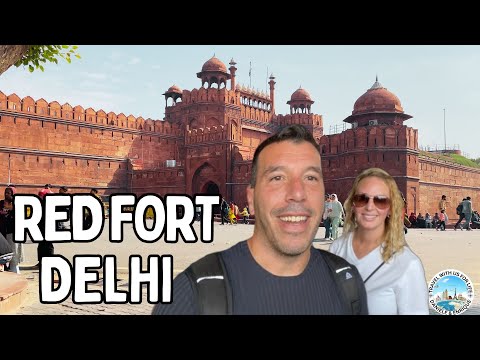
The Red Fort (Lal Qila), built by Mughal emperor Shah Jahan in 1639, is called one of Delhi's hidden gems and most popular tourist destinations; the presenter notes its history, its role in India's Independence Day and its appearance on the 500 rupee note.
- Lahori Gate ▶ 2:54
The main entrance to the fort, where Nehru first raised the Indian flag in 1947 and where the prime minister hoists the tricolor every Independence Day; the presenter passes through it after security and notes it is a popular photo spot.
- Chatta Bazaar ▶ 4:44
The roofed market inside the fort dates to the 17th century, once selling luxury goods like silks, velvet, gold and jewels to the Mughal court, and today sells souvenirs and jewelry to tourists.
- Naubat Khana ▶ 5:45
The two-story Drum House between the outer and inner courtyards served as a parking bay for guests arriving on elephants or horses, and musicians here announced the emperor's arrival; traces of gold paint remain on the walls.
- Diwan-i-Aam ▶ 7:31
The red sandstone public audience hall with 27 arches in three rows, where the emperor sat on a marble throne canopy to hear his subjects' pleas.
- Rang Mahal ▶ 9:38
The Palace of Colors, the largest of the royal apartments, housed the imperial harem and was once richly painted with mirror-covered ceilings, of which little remains today.
- Khas Mahal ▶ 10:10
The emperor's private palace, decorated with carved white marble and detailed floral paintings.
- Diwan-i-Khas ▶ 10:28
The most ornate hall of the fort, built entirely of white marble, where the emperor met important courtiers; it was plundered after the 1857 rebellion and is now only a shell of its former self.
- Moti Masjid ▶ 11:57
The Pearl Mosque, built by Emperor Aurangzeb in 1660, is a white marble palace mosque with three small domes; the presenter could not go inside as it is off limits to visitors.
- Hayat Bakhsh Bagh ▶ 12:13
The 'Life-bestowing garden' north of the Moti Masjid is decorated with pools, canals and fountains, though the water system no longer operates.
- Sawan and Bhadon Pavilions ▶ 13:11
Two almost identical white marble pavilions facing each other across the garden's water canal, named after the two rainiest months of the Hindu calendar.
- Stamps and Philatelic Exhibition ▶ 14:08
One of the seven museums inside the fort and one of the two that impressed the presenter most, it tells the story of the post in India from the 1200s to today using stamps to illustrate Indian history.
- Subhash Chandra Bose Museum ▶ 15:10
Also called the war museum, it covers topics from the Indian independence period to India's participation in the first and second world wars.