 PlaceTube
Chinatown, New York
Open in PlaceTube Watch on YouTube
Places in this video
- Chinatown ▶ 0:00
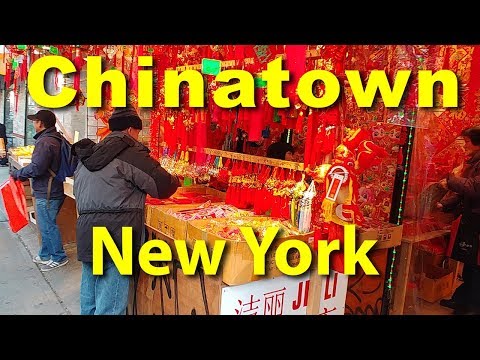
The presenter introduces Manhattan's Chinatown as the most famous of the 11 Chinatowns in the New York area, home to the highest concentration of Chinese people in the Western Hemisphere.
- Canal Street ▶ 0:38
The presenter says Chinatown is located in lower Manhattan around the blocks of Canal Street, one of the main streets most visitors walk along.
- Mott Street ▶ 1:09
Mott Street is named as one of the main streets tourists stroll along, and later as one of the original streets where Chinatown first got started.
- Columbus Park ▶ 3:45
The presenter calls Columbus Park the only park in Chinatown, a popular gathering spot for card playing, checkers, soccer and basketball, and notes it sits on the former Five Points neighborhood.
- Five Points ▶ 4:24
The presenter explains that the park area was the notorious 19th-century Five Points neighborhood, as portrayed in Gangs of New York.
- Pell Street ▶ 4:48
Pell Street is described as one of the earliest locations of Chinatown, mostly local with few tourists, local shops, bars and Chinese signs.
- Doyers Street ▶ 4:59
Doyers Street is a one-block street with a curved bend, known for its history of Tong gang shootouts.
- Ferrara Bakery ▶ 5:38
Ferrara is called the most famous spot in Little Italy, a great bakery known for its cannolis.
- Mulberry Street ▶ 5:38
Mulberry Street is mentioned as one of the main tourist streets, and later as the remaining two blocks of Little Italy.
- Little Italy ▶ 5:38
The presenter says Little Italy is down to only two blocks along Mulberry Street, mostly tourist gift shops with a few Italian restaurants left.
- Hester Street ▶ 6:18
The presenter walks a few blocks along Hester Street, lined with one tourist shop after another with open fronts.
- Sara D. Roosevelt Park ▶ 6:42
Sara Roosevelt Park, named after FDR's mother, is described as a very popular gathering spot for locals in the eastern part of Chinatown.
- Allen Street ▶ 7:09
Allen Street is described as pretty much the eastern boundary of Chinatown, where cargo work has continued since the early days of the nation.