 PlaceTube
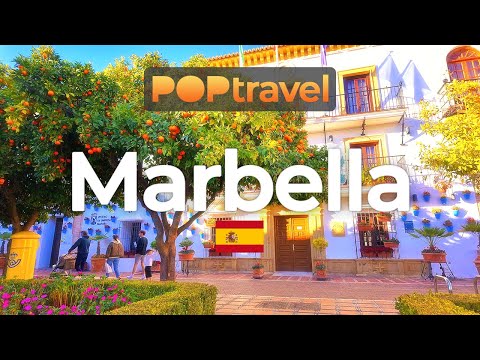
MARBELLA, Spain - Wonderful Winter Walking Tour - 4K HDR
Open in PlaceTube Watch on YouTube
Places in this video
- Plaza de los Naranjos ▶ 1:06
The tour begins in this main square of the old town, in front of the town hall, with orange trees planted in 1941 and winter light displays overhead.
- Marbella Town Hall (Ayuntamiento de Marbella) ▶ 1:23
The Renaissance-style town hall was built in 1568 and faces the square; opposite it stands the Casa del Corregidor from 1552.
- Casa del Corregidor ▶ 1:38
This building facing the town hall was built in 1552 with Gothic and Renaissance elements.
- Ermita de Santiago ▶ 1:47
Just steps from the square sits this 15th-century chapel, described as the town's oldest church.
- Calle Gloria ▶ 3:57
A small, calmer street just east of the main square, where shutters stay closed on winter afternoons and voices carry far.
- Capilla de San Juan de Dios ▶ 4:28
A 16th-century chapel on Calle Hospital Bazán linked to a historic hospital, with a plain exterior hiding a single nave built for worship and service.
- Calle Misericordia ▶ 5:39
A short street near older market routes where local bars focus on tapas, fried fish and sharing plates, with coffee, beer or sweet Málaga wine.
- Plaza Altamirano ▶ 6:04
A small square west of the main square in the old quarter, following the medieval street layout after 1485, with shops below and homes above.
- Capilla del Santo Sepulcro ▶ 7:26
A chapel on a narrow old-town lane, rebuilt in 1994, used for Holy Week rites and housing a processional throne from 1705; it opens mainly around Easter.
- Calle Trinidad ▶ 7:55
A street running east within the old quarter, where Christian institutions replaced earlier Islamic ones after 1485.
- Plaza de la Iglesia ▶ 8:34
The main parish square, which also served as a place for notices and ceremonies.
- Parroquia Nuestra Señora de la Encarnación ▶ 8:42
The key parish church, begun in 1618 and largely completed by 1767 on the site of the former main mosque; inside are a Latin-cross plan, three naves, a Baroque altarpiece and the Órgano del Sol Mayor.
- Calle Caridad ▶ 12:52
A street sloping south toward the Mediterranean, about 400 meters from the coast, once linking homes to fishing work and beach access.
- Calle Marqués de Nájera ▶ 13:46
A small link street near the center where seasonal LED figures of stars, angels and geometric frames appear each December.
- Avenida Félix Rodríguez de la Fuente ▶ 15:21
A broader avenue near the coast named after the Spanish naturalist and TV host, marking the shift from old-town scale to modern planning.
- Avenida de Ramón y Cajal ▶ 16:52
A central artery just north of the seafront, parallel to the old town edge, with taller buildings, shops and offices and palm-lined sections.
- Alameda Park ▶ 18:56
A public garden beside the old town dating to the late 18th century, with tall ficus trees, tiled paths, benches and seasonal lights at night.
- Fuente Virgen del Rocío ▶ 20:17
A fountain at the southern edge of Alameda Park, inaugurated in 1968, with tile panels showing the Virgin of El Rocío motif.
- Avenida del Mar ▶ 21:12
A pedestrian, marble-paved avenue linking Alameda Park to the beach promenade, lined with ten bronze sculptures attributed to Salvador Dalí and framed by palms.
- Caballo con Jinete Tropezando ▶ 22:25
A Dalí bronze on Avenida del Mar showing a horse stumbling with its rider mid-motion, modeled in the 1970s and displayed without barriers.
- Avenida Duque de Ahumada ▶ 23:55
The central seafront avenue, where the Mediterranean moderates temperatures and restaurants compete on location and sea views.
- Puerto Deportivo Virgen del Carmen ▶ 26:13
The marina at Muelle Hermanos León has about 377 berths, restaurants with outdoor seating along the quay, and fishing boats docking early mornings.
- Playa del Faro ▶ 28:17
A south-facing beach east of the marina near the lighthouse, gaining long daylight hours and allowing outdoor winter lunches.
- Fuente de la Venus ▶ 31:44
A fountain near the promenade whose central bronze, by Francisco López Burgos in 1972, shows a woman waterskiing; it serves as a meeting point.
- Parque de la Constitución ▶ 36:14
A civic park built in the 1950s on former private garden land, which hosted public events, concerts and official acts, and still has an open-air auditorium.
- Avenida de España ▶ 38:44
A straight coastal road passing the Marbella Lighthouse, linking beach zones with residential blocks.
- Marbella Lighthouse ▶ 38:54
The original lighthouse was built in 1864; the current cylindrical tower, about 29 meters high, dates from 1974 and its light remains active for navigation.
- Real Club Marítimo de Marbella ▶ 43:18
A club founded in 1956 beside the marina entrance that supports sailing, rowing and water sports, with dining rooms, terraces and event halls, and hosts regattas.
- Playa de Venus ▶ 47:50
A beach close to central Marbella, mentioned as the presenter faces the sand and names Spanish sports champions.
- Bar I Love Marbella ▶ 51:12
A bar near the central promenade used to illustrate Marbella's international expat life, with residents from about 153 nationalities.
- Plaza de Africa ▶ 56:55
A square east of the old town core used to explain the city's spread into districts like the Old Town, Golden Mile and San Pedro Alcántara.
- Calle Estación ▶ 59:47
A street near routes out of town, where bike paths follow the coast toward Puerto Banús and San Pedro and inland trails climb toward Sierra Blanca.
- Fuente de las Ranas ▶ 1:00:56
A small fountain near Alameda Park paths with eight frog figures around the basin, dating to the early 20th century, with water jets mainly in summer.
- Calle Huerta Chica ▶ 1:01:34
A street in the historic quarter that prompts talk of famous names, noting Antonio Banderas was born in nearby Málaga and Sean Connery lived in Marbella.
- Calle Castillejos ▶ 1:02:40
A street close to old town exits, used as a starting point to widen the map to day trips like Ronda, Mijas Pueblo, Málaga, Estepona and Gibraltar.
- Mercado Central de Marbella ▶ 1:03:40
A municipal food hall opened in 1963 near the old town edge, with stalls selling fish, meat, fruit and prepared meals, small bars serving breakfasts, and a nearby bus stop toward Málaga Airport.
- Ermita del Santo Cristo de la Vera Cruz ▶ 1:07:58
A chapel near the old town edge, built in the 16th century and expanded in the 18th, standing outside the original wall line and holding a crucifix used in Holy Week processions.
- Castillo de Marbella ▶ 1:16:32
Ruins of a fortress dating mainly to the 10th century, part of the Islamic defensive wall system, modified by Christian forces after 1485; only fragments survive, with sections absorbed into nearby buildings.
- Plaza de San Bernabé ▶ 1:17:59
A square near civic routes and events where the presenter pauses to explain local social rules, from greetings and late lunch to quiet hours and tipping.
- Calle Chorrón ▶ 1:21:29
A street leading toward the old town core, where the presenter retraces the walk back to Plaza de los Naranjos.
- Marbella Club Hotel ▶ 1:26:07
Opened in 1954 and linked to Prince Alfonso von Hohenlohe, it helped launch Spain's early luxury resort era and attracted royalty, actors and diplomats.
- Capilla de Santiago ▶ 1:27:13
Also called Ermita de Santiago, this small, plain 15th-century building is described as Marbella's oldest Christian religious building, serving early settlers after 1485.