 PlaceTube
THE MOST EXPENSIVE PLACE IN BRAZIL 🇧🇷 FERNANDO DE NORONHA
Open in PlaceTube Watch on YouTube
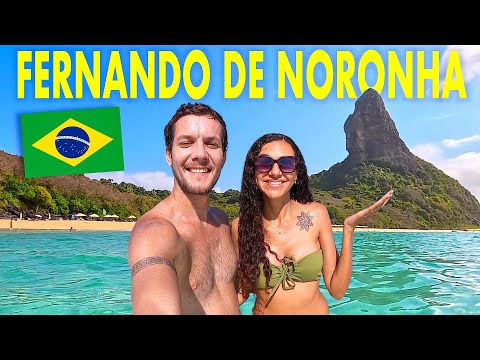
Places in this video
- Fernando de Noronha ▶ 0:23
The presenter introduces the island of Fernando de Noronha as Brazil's most beautiful and most expensive travel destination, explaining the national park and environmental fees required to visit.
- Porto de Santo Antônio ▶ 2:48
The presenter points out the island's main port where all the boats are docked, and they board a four-hour boat tour from here for 200 reais per person.
- Praia do Sancho ▶ 5:34
The boat tour stops at Praia do Sancho, described as the nicest beach on the island, where they do some snorkeling; it can only be accessed by land.
- Vila dos Remédios ▶ 7:13
They take the bus back to the main village, which has loads of restaurants along a quiet cobbled main road, a taxi stand, and little beach buggies people use to get around.
- Fortaleza de Nossa Senhora dos Remédios ▶ 8:10
The presenter comes across a historic building and a cannon, noting it was constructed in 1737 and looking at an illustration of how it looked back then.
- Igreja de Nossa Senhora dos Remédios ▶ 9:05
They pass the island's church, and the presenter hears that every Sunday after mass people go straight to samba to party.
- Dogs Bar ▶ 9:41
They eat at this bar and restaurant overlooking Praia do Cachorro, sharing a fish dish with rice and farofa; the presenter notes the food and drinks are very expensive because everything is imported.
- Praia do Cachorro ▶ 9:41
The bar they eat at overlooks this beach, and they consider heading down to it after eating.
- Praia do Meio ▶ 11:16
On the way to another beach they pass Praia do Meio, meaning middle beach, which is the beautiful beach they could see near the bar.
- Baía do Sancho ▶ 11:16
They head to this famous beach with an unusual shape and a striking backdrop, where they rent an umbrella; the presenter notes people used to climb the rock until graffiti put a stop to it.
- Fernando de Noronha National Park ▶ 14:42
The presenter explains that 70 percent of the island is a protected national park, which is why most of it is untouched and spotless with no big buildings or hotels.