 PlaceTube
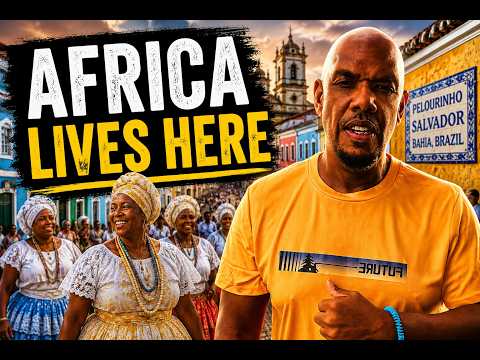
African Diaspora in Brazil: What I Found in Salvador Bahia
The Unfiltered World with P.A. ·
Open in PlaceTube Watch on YouTube
Places in this video
- Salvador ▶ 0:23
The presenter arrives in Salvador, often called the blackest city outside of Africa, and explores its streets, history, spirituality and people.
- Pelourinho ▶ 2:19
The guide explains that enslaved people were stored underground near the port before being taken up to the historic center of Pelourinho, which they plan to visit later.
- Statue of Tomé de Sousa ▶ 3:06
The guide points out the large statue of the Portuguese colonizer who founded the city, calling him a racist and murderer who supported slavery and killed indigenous people.
- Cachoeira ▶ 14:47
The guide mentions the Sisterhood of the Good Death in Cachoeira, a city in Bahia about two hours from Salvador, as an important group worth seeing.
- Church of Our Lady of the Rosary of the Black People ▶ 15:19
The presenter visits the headquarters of the Brotherhood of Our Lady of the Black Man, a Catholic church built by slaves and freedmen over about 100 years, where African spirituality and Catholicism blended through syncretism.
- Dique do Tororó ▶ 17:58
The guide explains the neighborhood of Tororó and the lake now known for its statues of the Orishas standing in the water as symbols of protection and African identity.
- Orishas of Dique do Tororó ▶ 19:07
The guide introduces each Orisha statue in the water — Oxalá, Xangô, Oshun, Oxóssi, Yemaja, Nanã, Iansã and Ogum — explaining what natural force and quality each represents.
- Mercado de São Joaquim ▶ 21:33
The presenter wanders the crowded market where herbal remedies, sacred foods, ceramics, live animals, liquor and fresh produce are sold, describing it as a living center of culture and community rather than just a place to shop.