 PlaceTube
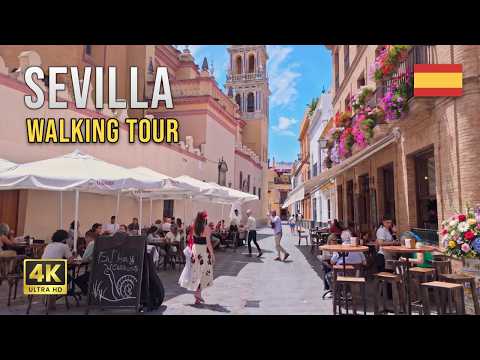
Seville, Spain ☀️ Experience Authentic Seville | Triana & Macarena | 4K Walking Tour
Open in PlaceTube Watch on YouTube
Places in this video
- Torre del Oro ▶ 2:38
The presenter passes the Golden Tower, built by the Almohads in the 13th century to guard Seville's river, now housing a naval museum.
- Guadalquivir River cruise ▶ 4:11
Sightseeing boats along the Guadalquivir offer a relaxing way to see the city from the water, with great views of Triana and the bridges.
- Nao Victoria replica ▶ 5:14
A replica of the first vessel to circumnavigate the world, led by Magellan in 1519; visitors can step aboard to see how the crew lived.
- Plaza de Toros de la Maestranza ▶ 7:01
The Seville bullring, one of Spain's oldest and most important, with its iconic white and ochre façade, a bullfighting museum, and the Royal Box.
- Calle Adriano ▶ 10:43
Shops on Adriano Street sell traditional torero suits, capes, hats, and riding equipment, with extraordinary craftsmanship.
- Muelle de la Sal ▶ 12:22
The Salt Wharf was once a busy trading point where salt and other goods passed through the port; the riverfront here is calm and pleasant.
- Triana Bridge ▶ 15:25
Built in 1852, officially Puente de Isabel II but known to everyone as the Triana Bridge, it is a symbol of the neighborhood.
- Triana ▶ 15:58
A district with a strong identity, traditionally home to sailors, potters, craftsmen, and flamenco artists, and one of the birthplaces of flamenco.
- Capilla del Carmen ▶ 17:34
A small chapel at the foot of the bridge dedicated to the Virgin of Carmen, patron saint of sailors, and the first thing you see entering Triana.
- Triana Market ▶ 18:57
A lively market on the site of San Jorge Castle, with castle remains in the basement, fresh produce, tapas bars, and ceramic tiles depicting the district's history.
- Cerámica Santa Ana ▶ 28:36
One of the most famous traditional ceramic workshops in Triana, founded in 1870, where artisans still paint tiles using traditional techniques.
- Calle Alfarería ▶ 31:42
A street whose name means pottery, once the heart of Triana's ceramic industry, where traditional workshops still survive.
- Calle Pureza ▶ 34:44
One of the most beautiful streets in Triana, with religious tiles on balconies, traditional patios, and bars and restaurants famous for local cuisine.
- Church of Santa Ana ▶ 41:21
Often called the Cathedral of Triana, built in the 13th century in Gothic-Mudéjar style, with an altarpiece honouring Saint Anne and a tower that was once a minaret.
- Plaza de Santa Ana ▶ 42:50
One of Triana's liveliest gathering places, surrounded by traditional tapas bars where locals have morning coffee, afternoon beer, and evening tapas.
- Centro Cívico La Casa de las Columnas ▶ 48:29
A beautiful old house now used as a community center, with a patio hosting painting exhibitions and typical Sevillian columns and courtyard.
- Calle Betis ▶ 50:54
The most famous street in Triana, with colorful riverside houses, now mostly bars and restaurants with some of the best views in the city.
- Plaza del Altozano ▶ 55:14
The main square of Triana and a meeting point, with a statue of a flamenco dancer and views of the bridge, market, and river.
- Calle San Jacinto ▶ 56:48
The main artery of Triana, full of traditional bars, shops, and small chapels, where locals eat and the old working-class spirit survives.
- Parroquia de San Jacinto ▶ 1:00:51
A beautiful 18th-century Baroque church with a white and gold interior, dedicated to Saint Hyacinth and central to Triana's religious life.
- Macarena Walls ▶ 1:02:32
12th-century Almohad fortifications that once surrounded the city, with the Torre Blanca a rare survivor, made of rammed earth and brick.
- Arco de la Macarena ▶ 1:03:52
The main gate of the walled city, one of the most important entrances, through which kings, armies, and pilgrims passed.
- Basilica de la Macarena ▶ 1:05:39
One of Seville's most important churches, built in the 20th century in Neo-Baroque style, home to the beloved Virgin of the Macarena.
- Monument to Joselito el Gallo ▶ 1:07:18
A monument honoring Joselito el Gallo, a legendary bullfighter born in Seville and a superstar of his time.
- Macarena ▶ 1:07:55
A lively district named after the Virgin of the Macarena, historically working class, with a strong sense of community and famous Holy Week processions.
- Andalusian Parliament ▶ 1:10:01
Housed in the old Hospital of the Five Wounds, a huge Renaissance structure that was one of the largest hospitals in Europe, now the seat of the regional government.
- El Jueves market ▶ 1:11:11
The Thursday flea market, one of Seville's oldest and most famous, stretching for blocks with antiques, clothes, tools, books, and a lively social atmosphere.
- Calle San Fernando ▶ 1:20:11
A street heading toward the University of Seville, where students, workers, and locals go about their day away from tour groups.
- University of Seville ▶ 1:21:20
Housed in the old Royal Tobacco Factory, an enormous 18th-century industrial building where thousands of women rolled cigars, the setting for Bizet's Carmen.
- Calle Habana ▶ 1:27:22
A street running through the former Royal Mint, where gold and silver from the Americas were turned into coins, named after Seville's trade with Cuba.
- Plaza del Cabildo ▶ 1:29:30
A hidden semicircular square decorated with frescoes and columns, built in the 1940s on the site of an old market, with a fountain and antique shops.
- El Postigo Crafts Market ▶ 1:32:53
A crafts market with around 20 workshops showcasing ceramics, leather, jewellery, and textiles, one of the best places to find handmade souvenirs.
- Postigo del Aceite ▶ 1:34:42
One of the few surviving gates of Seville's medieval walls, just steps from the crafts market.
- Seville Cathedral ▶ 1:38:00
The presenter reaches the Door of the Assumption, one of the cathedral's main entrances added in the 19th century, with a relief of the Assumption of the Virgin.
- Calle Constitución ▶ 1:38:54
The lively main street, where trams, horse carriages, bicycles, and locals all share the space in pure Seville style.
- General Archive of the Indies ▶ 1:40:45
Houses all the documents of the Spanish Empire, 80 million pages of maps, letters, and treaties, in a building that was originally a merchants' exchange.