 PlaceTube
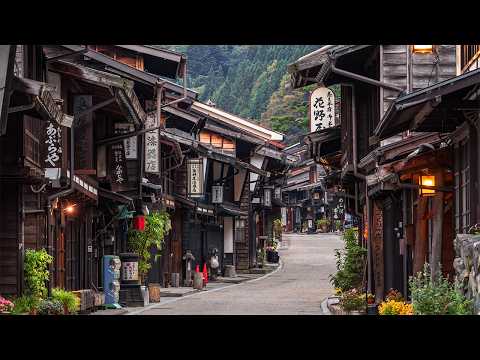
Japan’s Longest Historic Post Town Feels Like Stepping Back in Time | Narai-juku
It's Time to Travel🇯🇵 / 旅する時間 ·
Open in PlaceTube Watch on YouTube
Places in this video
- Narai-juku ▶ 0:21
A 400-year-old post town on the Nakasendo, the 34th stop from both Edo and Kyoto, with a one-kilometer street that keeps its centuries-old look and is officially protected as a historic district.
- Narai Station ▶ 0:40
The nearest station to Narai-juku, described as the gateway to Japan's longest post town in Shiojiri, Nagano.
- Dango stall in Narai-juku ▶ 2:40
A street stall grilling dango in sweet soy glaze, soy sauce, and mugwort; the mugwort dango costs 180 yen and is warm, chewy, and lightly charred.
- Water stations of Narai-juku ▶ 4:02
Old water stations along the street where travelers once drank and rested, and which also supplied water to protect the wooden town from fires.
- Herbal goods and sweets shop in Narai-juku ▶ 5:12
A nostalgic little shop with an old sunken hearth selling Hyakusogan herbal stomach remedy, bath salts, herbal skincare, and local acacia honey; they serve kihada milk shaved ice for 1,300 yen and homemade apple pie for 990 yen.
- Soba shop in Narai-juku ▶ 8:35
A long-running, old-school soba shop that was still open after others sold out; cold soba on a bamboo tray costs 1,050 yen and is made mostly with local buckwheat flour.
- Bamboo souvenir shop in Narai-juku ▶ 9:54
A souvenir shop near the end of the street selling mainly bamboo items and lacquerware; they bought a bamboo comb with a fabric case, a coin purse, and sweets after a sample.
- Shizume Shrine ▶ 10:33
A shrine at the Kyoto-side end of Narai-juku, the entrance for travelers from Kyoto and exit for those from Edo, with a huge sacred tree behind the torii; people prayed here to calm an epidemic, as Shizume means "to calm."