 PlaceTube
Fukuoka🇯🇵 5 Hours From Japan's Street-Food Capital to Kyushu's Hidden Islands | 4K
Open in PlaceTube Watch on YouTube
Places in this video
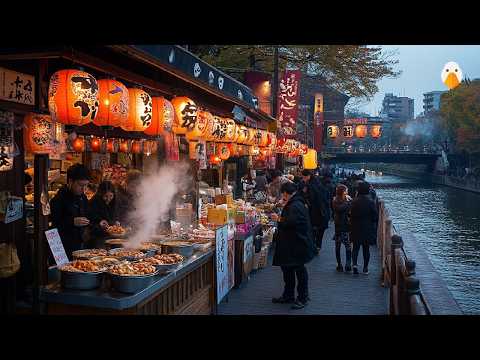
- Nakasu Yatai Yokocho ▶ 0:58
The video opens with the yatai stall street in Nakasu, showing the lantern-lit riverside food stalls where locals and travelers sit shoulder to shoulder over ramen, oden and skewers.
- Tenjin Shopping District ▶ 15:41
Tenjin is presented as Fukuoka's central commercial area, full of department stores, cafés, fashion shops and station entrances, showing the modern retail side of the city.
- Kego Shrine ▶ 32:47
Kego Shrine sits quietly inside busy Tenjin, creating a sudden pause between shops and traffic and showing how Shinto spaces remain part of everyday city life.
- Tochoji Temple ▶ 35:04
Tochoji is one of Hakata's most important historic Buddhist temples, linked to Kobo Daishi and known for the large wooden Fukuoka Daibutsu and its red pagoda.
- Kushida Shrine ▶ 44:44
Kushida Shrine is tied to Hakata's identity and is the spiritual home of the Hakata Gion Yamakasa festival, with a tall decorated float on display.
- Kawabata Shopping Arcade ▶ 55:17
Kawabata is one of Fukuoka's oldest covered shopping streets, preserving an older Hakata shopping rhythm with snack counters and small shops near the shrine.
- Ohori Park ▶ 1:04:13
Ohori Park offers open water, trees and broad walking paths, developed from a former moat of Fukuoka Castle, and feels refreshing after the dense city center.
- Sakurai Futamigaura Meotoiwa Rock ▶ 1:18:19
The paired rocks linked by a sacred rope, framed by a white torii facing the sea, are one of Itoshima's signature coastal scenes, famous for sunsets over the Genkai Sea.
- Yanagawa canals ▶ 1:25:44
Yanagawa is famous for its canals, low bridges, willow trees and slow boat rides, with boatmen guiding visitors through the water town.
- Waterside path ▶ 1:46:12
The waterside path keeps Yanagawa's slower mood away from the busier boat areas, with green shade, small bridges and residential lanes beside the canals.
- Hiyoshi Shrine ▶ 2:08:37
Hiyoshi Shrine adds a modest local sacred stop within the Yanagawa area, its trees and approach contrasting with the open canal scenery.
- Dazaifu Omotesando ▶ 2:10:31
The approach street to the shrine is famous for umegae mochi, with souvenir shops, cafés and old-style storefronts building anticipation before the shrine gate.
- Dazaifu Tenmangu Shrine ▶ 2:18:37
Dazaifu Tenmangu enshrines Sugawara no Michizane, deity of learning, so students come to pray for academic success; plum blossoms and arched bridges give the grounds a ceremonial rhythm.
- Miyajidake Shrine ▶ 2:30:00
Miyajidake Shrine is famous for its dramatic approach toward the sea, the 'Path of Light' at sunset in February and October, and a huge shimenawa rope.
- Okunomiya Hassha ▶ 2:43:53
Behind the main shrine, eight smaller shrines sit in the forest, turning the rear grounds into a quiet, contemplative pilgrimage circuit.
- Ainoshima ▶ 3:03:32
Ainoshima is a small island known for its fishing-village atmosphere and many cats, reached by ferry from Shingu and feeling close to Fukuoka yet separate from the city.
- Munakata Taisha Hetsugu Shrine ▶ 3:17:44
Hetsugu Shrine is the mainland part of the Munakata Taisha complex, a UNESCO World Heritage sacred landscape tied to maritime faith and the goddesses of sea safety.
- Munakata Taisha Nakatsugu Shrine ▶ 3:29:44
Nakatsugu Shrine sits on Oshima closer to the open sea, continuing the maritime sacred geography connecting mainland, island and distant Okinoshima.
- Okitsumiya Yohaisho ▶ 3:39:35
This worship place on Oshima faces toward Okinoshima, the sacred island closed to the public, letting people pray from afar across the open sea.
- Oshima Windmill Observatory ▶ 3:44:25
The observatory opens a wide, windswept view across Oshima and the Genkai Sea, with a red windmill adding a playful landmark to the pasture and coastline.
- Mojiko Retro District ▶ 3:49:53
Mojiko Retro preserves the port-town atmosphere of northern Kyushu, with brick buildings, station architecture and harbor views recalling its days as an international trade gateway.
- Blue Wing Moji ▶ 3:56:05
Blue Wing Moji is a pedestrian drawbridge on the Mojiko waterfront that opens to let boats pass, turning an ordinary crossing into a small mechanical spectacle.
- Dalian Friendship Memorial Hall ▶ 4:13:06
The memorial hall reflects Kitakyushu's links with Dalian, its brick style standing out in the harbor district and pointing to Mojiko's international history.
- Kitakyushu ▶ 4:16:21
Kitakyushu is one of Kyushu's major industrial and port cities, formed by merging municipalities including Moji and Kokura, with practical streets shaped by ports, factories and railways.
- Yasaka Shrine ▶ 4:43:22
Yasaka Shrine adds a traditional sacred space within the Kokura area, its gate and stone lanterns tying local worship to the old castle-town history.
- Kokura Castle ▶ 4:53:57
Kokura Castle closes the trip as a compact castle-town landmark originally built in the early Edo period by Hosokawa Tadaoki, its reconstructed tower central to Kokura's identity.
Cities in these videos
Fukuoka · Itoshima · Yanagawa · Dazaifu · Fukutsu · Shingu · Munakata · Kitakyushu