 PlaceTube
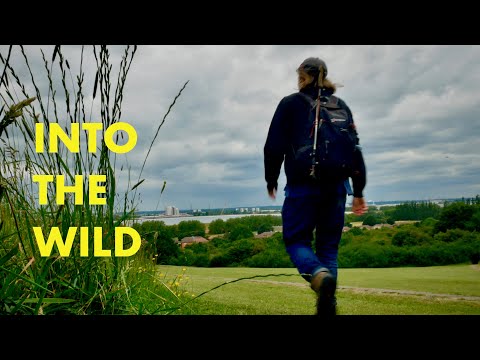
Through Epping Forest to Chingford (4K)
Open in PlaceTube Watch on YouTube
Places in this video
- Epping Forest ▶ 0:29
The presenter walks through Epping Forest, noting it is his first walk beyond his lockdown radius and praising its 6,000 acres of woodland, plain and pasture.
- Hollow Ponds ▶ 1:01
He passes the Hollow Ponds, calling them particularly beautiful at sunset and a good place for bat spotting on summer evenings.
- Snaresbrook Road ▶ 1:40
He walks up a white gravel path toward Snaresbrook Road, noting the site of the lost Leytonstone Lido now buried beneath trees.
- Canada Plain ▶ 5:11
He notes this area is marked on the Corporation of London map as Canada Plain, with Bulrush Pond nearby.
- Bulrush Pond ▶ 5:16
He points out Bulrush Pond, named for fairly obvious reasons, and says it is a quite an experience in winter.
- Waterworks Wood ▶ 6:26
He crosses a bridge over Forest Road into Waterworks Wood, named for the covered reservoir nearby, and enjoys views over the Lee Valley.
- Gypsy Rodney Smith memorial stone ▶ 9:03
He visits a stone often requested by viewers, commemorating the travelling preacher Gypsy Rodney Smith, born at Woodford.
- Tree of Hope ▶ 10:43
He admires a tree covered in ribbons and colourful flags with notes from forest kids, thanking families for visiting their tree of hope.
- Highams Park ▶ 11:53
He walks through Highams Park, noting it required a further Act of Parliament in 1891 to be purchased and incorporated into Epping Forest.
- River Ching ▶ 13:14
He points out the beautiful little River Ching, recalling glorious walks along it the previous year.
- Friday Hill ▶ 14:02
He climbs Friday Hill, named after 15th-century landowner Jack Friday and now the site of a large post-war council estate, and tells the story of how sirloin steak got its name there.
- Chingford Hatch ▶ 14:08
He mentions the greasy spoon cafe at Chingford Hatch, doubting it is open but hoping for takeaway.
- Friday Hill House ▶ 16:33
He stops at the very grand Friday Hill House, built in 1836 for the Heathcote family.
- Pimp Hall Park ▶ 16:52
He walks through Pimp Hall Park, remains of an Elizabethan farm, with views over the Lee Valley and toward Epping Forest.
- Pimp Hall Dovecote ▶ 18:14
He reads about the 17th-century dovecote, once used for breeding pigeons for eating, producing up to 75 young pigeons a week.
- Chingford Infants School ▶ 19:39
He passes Chingford Infants School, a locally listed building from 1856, on a charming parade of shops.
- Barney's Seafood ▶ 20:06
He passes Barney's Seafood, listing its cockles, whelks, jellied eels and rollmops, and recalls eating cockles as a child.
- The Bull and Crown ▶ 21:07
He points out the Bull and Crown, a Grade II listed building erected in 1899 in French Second Empire style to cater for visitors to Epping Forest.
- Chingford Assembly Rooms ▶ 21:39
He mentions the wonderful Assembly Rooms in Chingford, a place he has great affection for on his forest walks.
- King's Head ▶ 21:54
He notes the King's Head pub looking down over the Lee Valley from the top of the hill.
- The Ridgeway ▶ 22:24
He walks down the Ridgeway, a road that literally runs along a ridge on one side of the Lee Valley.
- Ridgeway Park ▶ 22:35
He enters Ridgeway Park, recalling a hot summer day with his young sons when they rode the little model railway there.
- Mansfield Park ▶ 24:15
He ends the walk at Mansfield Park, with leaping deer on the gates and an incredible view of the reservoirs that supply much of London's drinking water.