 PlaceTube
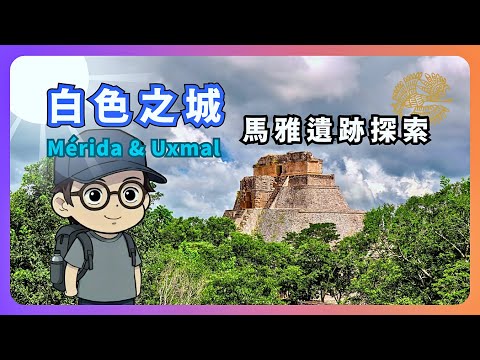
白色之城與烏斯馬爾,走進馬雅古文明世界【墨西哥梅里達】Uxmal & Mérida Vlog
Open in PlaceTube Watch on YouTube
Places in this video
- Mérida ▶ 0:09
The presenter introduces Mérida, the capital of Yucatán, known as the 'White City,' built by the Spanish in the 16th century on the Maya city of T'ho.
- Uxmal ▶ 0:40
The main reason for the trip: Uxmal, about 78 km south of Mérida, one of the most important Maya archaeological sites and a UNESCO World Heritage Site since 1996.
- Mérida Cathedral ▶ 1:16
Built between 1561 and 1598, it was the first cathedral built on the American continent in the 16th century, with a limestone exterior, Renaissance architecture and a Gothic interior.
- Montejo Avenue ▶ 2:10
A tree-lined boulevard famous for its colonial architecture, built between 1888 and 1904 with wealth from agave liquor, inspired by European boulevards like the Champs-Élysées.
- Monumento a la Patria ▶ 2:48
Designed by Colombian sculptor Rómulo Rozo and completed in 1956, it features a 14-meter indigenous figure holding a flame and over 300 hand-carved scenes of Mexican history in an Art Deco and neo-Maya style.
- San Juan Arch ▶ 4:18
One of three surviving colonial arches in Mérida, dating to 1690, originally built to segregate the living areas of Spaniards, Creoles and indigenous people.
- Palacio del Gobierno ▶ 5:17
Built in 1892, it is the seat of Yucatán's state government, renowned for murals by local artist Castro Pacheco depicting the history of the peninsula and Spanish-Maya interactions.
- ADO Bus Station ▶ 5:53
The ADO station offers second-class Oriente buses to Uxmal, the way the presenter traveled there.
- Pyramid of the Magician ▶ 6:55
Uxmal's iconic structure, about 35 meters tall and a unique elliptical Maya pyramid; legend says a magician built it overnight, but archaeologists found up to four older pyramids nested inside.
- Nunnery Quadrangle ▶ 7:53
Four large buildings around a courtyard, decorated with geometric patterns and long-nosed Chaac carvings; the southern building has an archway and red handprints, and archaeologists believe it was likely a Maya school.
- House of the Doves ▶ 9:14
Named for its intricate facade with numerous holes resembling a dove coop, built around 600–900 AD, likely for ceremonial or residential use.
- Governor's Palace ▶ 9:48
The final attraction visited, the longest pre-Columbian structure in Central America; near the pyramid, clapping loudly produces an echo like a bird's call.