 PlaceTube
I got dressed for the King | M’banza Kongo Angola
Open in PlaceTube Watch on YouTube
Places in this video
- M'banza-Kongo ▶ 0:03
The presenter explains that M'banza Kongo was once the capital of the Kingdom of Kongo and travels north to see what remains of the kingdom today.
- Roadside market ▶ 1:33
The group pulls over at a roadside market where locals greet them and sell bananas; the presenter notes that 'mundele' means white person in Kikongo.
- M'banza-Kongo central market ▶ 4:38
The presenter visits a big market with guide Toko to buy fabric for traditional clothing and gifts for the king, including kola fruit, beer and juice.
- Second market (medicinal herbs market) ▶ 8:48
At this market the presenter finds traditional medicinal herbs, fish, birds, eggs and kola fruit, and meets healer Isabella Tiketa.
- Local family home (traditional song and dance) ▶ 10:36
Toko brings the group to a local family's home for traditional song and dance by the group LMMF and a taste of linguila, a homemade sugarcane alcohol.
- Royal natural spring ▶ 13:01
One of 12 natural springs in the city, this one once supplied water to the king and his family and is said to never run dry; locals still collect water here.
- M'banza-Kongo museum ▶ 13:54
The museum stands on the site of former royal homes and is where the presenter returns the next day to meet the man locals call the king.
- Bleeding Tree (Yala Nkuwu) ▶ 14:12
A sacred tree said to date from the 1400s where kings held court; it is nicknamed the bleeding tree because it began excreting a blood-like liquid after the Portuguese cut down one of its three trunks.
- Church of Kulumbimbi (São Salvador do Congo Cathedral) ▶ 15:27
The presenter visits this church dating back more than 500 years, considered the oldest church in sub-Saharan Africa and featured on Angola's 5000 kwanza note.
- Kings' cemetery ▶ 16:15
Next door to the church is a cemetery where many kings were buried; baptized kings received tombstones while unbaptized ones did not.
- King's court ▶ 17:40
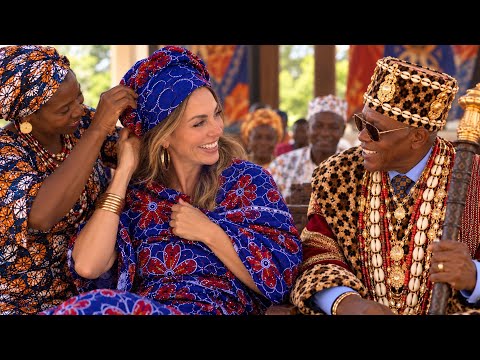
The presenter meets the man locals still call the king, who holds traditional courts over domestic issues, land disputes and witchcraft, and shares palm wine and kola fruit.