 PlaceTube
Exploring the Via Appia Antica: Rome's Newest UNESCO World Heritage Site!
Open in PlaceTube Watch on YouTube
Places in this video
- Via Appia Antica ▶ 0:00
The video explores the Appian Way, the 'Regina Viarum' or Queen of Roads, recently designated a UNESCO World Heritage Site, walking its ancient basalt paving from Rome toward the countryside.
- Porta Capena ▶ 1:29
The journey begins at Porta Capena, the southern gate of Republican Rome and symbolic threshold between the city and the countryside; little remains today but its historical significance endures.
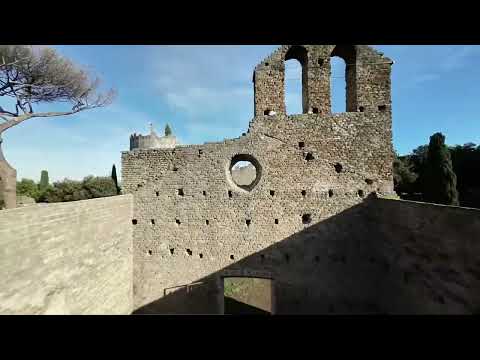
- Tomb of Cecilia Metella ▶ 3:49
This imposing 1st-century BCE cylindrical mausoleum is one of the most iconic monuments on the Via Appia, later incorporated into a medieval fortress.
- Villa of the Quintilii ▶ 4:24
A sprawling 2nd-century CE estate of the wealthy Quintilius brothers, with grand reception rooms, thermal baths and gardens, so magnificent that Emperor Commodus seized it for himself.
- Catacombs of San Callisto ▶ 5:02
Among Rome's most important and extensive catacombs, named after Pope Callixtus I, containing the Crypt of the Popes and the Crypt of Saint Cecilia.
- Circus of Maxentius ▶ 5:36
An ancient Roman chariot-racing stadium built by Emperor Maxentius in the early 4th century CE that could hold up to 10,000 spectators; its ruins show the grandeur of Roman entertainment.
- Mausoleum of Romulus ▶ 5:55
A round mausoleum adjacent to the Circus of Maxentius, built to honor Maxentius' son Romulus who died prematurely, and an impressive example of late Roman funerary architecture.
- Casal Rotondo ▶ 6:15
The largest tomb on the Via Appia, a massive cylindrical tomb from the 1st century BCE later transformed into a medieval fortress.
- Sepulcher of the Scipios ▶ 6:30
The burial place of the illustrious Scipio family, with intricate carvings and inscriptions offering insight into Roman funerary practices and the legacy of this prominent family.
- Frattocchie ▶ 7:07
The road leads toward the locality of Frattocchie/Santa Maria delle Mole, where stretches of original paving stones remain and the landscape shifts from Rome's outskirts to picturesque countryside.