 PlaceTube
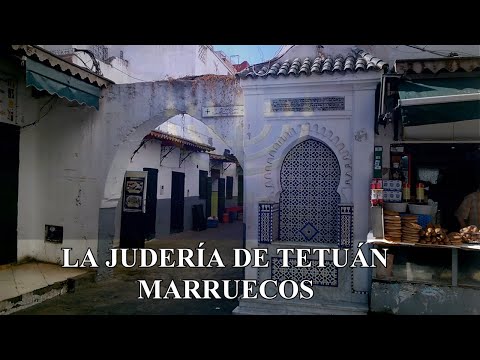
LA JUDERÍA DE TETUÁN MARRUECOS, historia y memoria. Ep. 2 (Versión española) #sefarades
Open in PlaceTube Watch on YouTube
Places in this video
- Feddan Square ▶ 3:29
The presenter explains that south of the Zocozara or wheat market, also known as Feddan, lay a vast garden belonging to Sultan Mulay Suleiman, and that the new Jewish quarter was later built south of this square.
- Medina of Tetouan ▶ 4:45
The presenter stands in the heart of the old town, in the Blad neighborhood, and notes that the ancient city of Tetouan is a UNESCO World Heritage Site thanks to its rich history and heritage.
- Old Mellah (Melael Bali) ▶ 5:54
The presenter enters the old Jewish neighborhood, Melael Bali, northeast of the Blad district, where the first Jewish immigrants settled near the great mosque, and describes its preserved houses and fountain.
- Antiguela Street ▶ 8:23
The presenter walks this street that kept the name Antiguela because it was near the Gate of the Dead, where Jews accessed their cemeteries, and which was the direct entrance to the Jewish quarter.
- New Mellah (Melá) ▶ 9:44
The presenter explains that construction of the new Jewish quarter began in 1807 by decree of Sultan Suleiman, with straight parallel alleys and dead ends designed for internal security, and it is the last neighborhood built within the walls of Tetouan.
- Mellah Gate ▶ 11:43
The presenter notes that the neighborhood was protected by a wall and its main entrance was the Melá Gate, whose famous arch is still preserved and opened onto the grain market.
- Jerusalem Street ▶ 12:38
The presenter enters the new Jewish quarter through its main artery, today called Jerusalem Street, originally Yerena Street, whose façade was modified during the two Spanish occupations.
- Belén Alley ▶ 13:57
The presenter points out the entrance to Belén Alley, where you can find all kinds of dairy products from cheeses to fresh butter, and which leads to the synagogue of Rabbi Isaac Ben Walid.
- Mellah Fountain and Arch ▶ 14:45
The presenter admires the famous arch and fountain, an architectural masterpiece where Muslims and Jews once gathered daily, and translates the Hebrew inscriptions on the marble, including a verse from Isaiah.
- Nablus Street ▶ 17:14
The presenter walks the first street of the new Jewish quarter, now called Nablus Street or formerly Civil Guard Street, where restaurants, traditional bakeries and shops line the ground floors.
- Granada Dead End (Derb) ▶ 18:02
The presenter visits one of the four dead ends bordering the street, the dead end of Granada, and examines the historic houses lining these alleys.
- Hebron Alley ▶ 18:33
The presenter notes that parallel to the street is Hebron Alley, also reopened toward the Msalá dima, where it did not exist before.
- Aifa Alley ▶ 19:47
The presenter walks the alley of Aifa, a dead end as shown on the map, at the end of which stands the Al Andalus mosque.
- Gaza Alley ▶ 20:47
The presenter enters the old city through Gaza alley, an entrance inaugurated by the Jewish community at the end of the 19th century to facilitate transit between the new Jewish quarter and the market.
- Bethlehem Street Fountain ▶ 23:50
The presenter stops in front of the fountain on Bethlehem Street, formerly Segorbe Street, describing the beautiful cobblestone street, houses and fountain of the deserted neighborhood.
- Isaac Ben Walid Synagogue ▶ 25:23
The presenter visits the Isaac Ben Walid synagogue on Isaac Street Ben Walid, formerly Reus Street, the only synagogue still open until 1970, with a matza oven, rabbinical school and the rabbi's residence, now open to tourists and pilgrims.
- Ben Malca Alley ▶ 28:05
The presenter points out Ben Malca alley on the opposite bank of the old Reus street, and mentions the annual Ilula festival that draws Jewish pilgrims from around the world.
- Alods neighborhood street ▶ 30:38
The presenter stands on a street in the Alods neighborhood leading to Suika in the old town, noting that all the shops and houses have been restored by the city council with the Junta de Andalucía.