 PlaceTube
Battambang, Cambodia: History, Art & Food in Cambodia's Rice Bowl
Phil and H Travel Podcast - Is It Worth It? ·
Open in PlaceTube Watch on YouTube
Places in this video
- Battambang ▶ 0:17
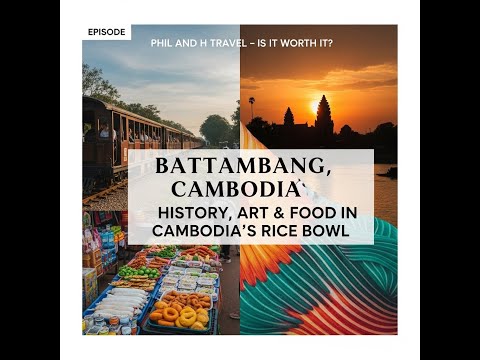
The hosts introduce Battambang as Cambodia's second largest city, known as the rice bowl of Cambodia, with a rich blend of history, arts and resilience.
- Battambang Central Market ▶ 2:57
The French colonial era brought structured roads and iconic public buildings, including the central market with its distinctive Art Deco style.
- Phare Ponleu Selpak ▶ 5:17
Described as a beacon of hope, this nonprofit art school trains at-risk youth in visual arts, music, dance and circus arts, and its modern circus tells traditional Cambodian stories through acrobatics and live music.
- Romcheik 5 Art Space ▶ 6:21
Mentioned as a local gallery playing a pivotal role in showcasing and promoting contemporary artists amid the city's street art scene.
- Governor's House ▶ 6:52
Cited as a symbol of French imperial grandeur, meticulously designed to project authority and European ideals.
- Mrs. Bunroeung's Ancient House ▶ 7:09
A beautifully preserved example of traditional Khmer wooden architecture, built with the climate and communal way of life in mind, standing in dialogue with colonial architecture.
- Bamboo Train (Nori) ▶ 7:41
The hosts describe the Nori, a makeshift bamboo platform on train wheels powered by a small engine, which began as informal local transport and now offers a quirky, exhilarating ride through the countryside.
- Phnom Sampeau ▶ 8:32
The mountain outside the city holds the killing caves, a solemn memorial to Khmer Rouge victims, and at dusk millions of bats stream out of its caves in a spectacular exodus.
- Ek Phnom Temple ▶ 10:10
An impressive 11th-century temple just outside the city, blending intricate ancient ruins with a massive modern Buddhist statue.
- Wat Banan ▶ 10:37
Often called a mini Angkor Wat, this hilltop temple requires a climb of over 300 steps and rewards visitors with panoramic views of the Sankai River, rice fields and distant villages.