 PlaceTube
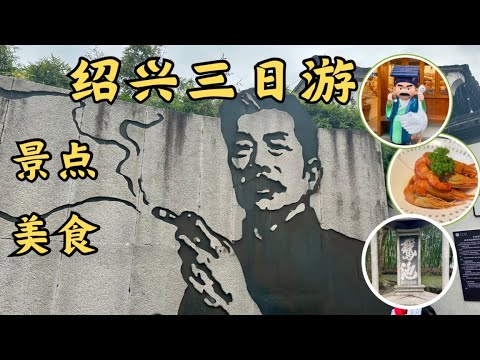
【绍兴三日游】仓桥直街|鲁迅故里|书圣故里|兰亭|曲水流觞|鹅池|八字桥|绍兴美食|小绍兴|寻宝记|醉虾
Open in PlaceTube Watch on YouTube
Places in this video
- Cangqiao Straight Street ▶ 0:43
A 1.5-kilometer historic street full of original Shaoxing life, hiding local snacks like stinky tofu, rice wine milk tea and black cowpea cake.
- Kong Yiji Restaurant ▶ 1:42
Drawn in by the name of Lu Xun's famous character, they ate fennel beans, wine-flavored shumai and Shaoxing wine chicken here.
- Lu Xun's Former Residence ▶ 3:40
Free to enter with advance booking; visitors see Deshou Hall, Lu Xun's bedroom and the Hundred Herb Garden described in his writings.
- Sanwei Study ▶ 5:48
The presenter notes the real Sanwei Study is opposite Lu Xun's ancestral home, not the one shown in the former residence.
- Lu Xun Memorial Hall ▶ 6:12
Located right next to Lu Xun's former residence, with a wall at the east entrance that is a must-visit photo spot for tourists.
- Hometown of the Sage of Calligraphy ▶ 7:10
About two kilometers from Lu Xun's hometown, this neighborhood is full of stories of Wang Xizhi, including Jiezhu Temple and the Fan Bridge bronze statue.
- Jiezhu Temple ▶ 7:26
Legend says Wang Xizhi donated his residence to become this temple after regretting the death of an old monk over a swallowed pearl.
- Bazi Bridge ▶ 8:03
A famous ancient Southern Song bridge in the Baziqiao Historical and Cultural District, called China's earliest overpass.
- Guangning Bridge ▶ 8:03
A famous ancient bridge in Shaoxing, only one kilometer from the Hometown of the Sage of Calligraphy and within walking distance.
- Xiaoshaoxing Restaurant ▶ 9:16
An antique courtyard restaurant near Bazi Bridge where they ordered drunken shrimp, warm Shaoxing wine, Shaoxing Three Delicacies and braised pork with dried vegetables.
- Tongxinlou ▶ 11:10
A breakfast spot on the third morning, most famous for its pan-fried buns; the fried noodles were generous but the meat bun skin was thick.
- Orchid Pavilion (Lanting) ▶ 11:32
About a 30-minute drive from downtown, the place where Wang Xizhi wrote the Preface to the Poems Composed at the Orchid Pavilion, with the Goose Pond Stele, Lanting Stele Pavilion and winding stream.
- Goose Pond ▶ 12:06
Right next to the Goose Pond Stele, where several large white geese were playing in the pond.
- Lanting Stele Pavilion ▶ 12:40
A landmark of Lanting and one of China's four famous pavilions, with the two characters 'Lanting' written by Emperor Kangxi, later smashed and repaired.
- Winding Stream and Floating Wine Cups ▶ 13:12
A zigzag-shaped stream with a petrified wood engraved with '曲水流觞', commemorating the gathering where Wang Xizhi composed his famous preface.
- Liushang Pavilion ▶ 14:00
Built to commemorate the winding stream party, displaying replicas of the wine cups used in the ancient floating cup ceremony.
- Wang Youjun Temple ▶ 14:00
A shrine dedicated to Wang Xizhi built in the Kangxi era, with an Ink Pond, Mo Hua Pavilion and corridors of calligraphy copies.
- Imperial Stele Pavilion ▶ 14:52
Houses the 'Grandfather-Grandson Stele' with Kangxi's copy of the Preface on the front and Qianlong's poem on the back.
- Eighteen Vats ▶ 15:25
A participatory attraction by the pond with eighteen vats, based on the story of Wang Xianzhi's 'Eighteen Jars of Calligraphy Practice'.
- Tianzhang Temple ▶ 15:42
An important building next to the ancient Orchid Pavilion, originally built in the Northern Song and rebuilt in 2016 on the original site.
- Xunbao Ji Restaurant ▶ 16:54
Dinner spot where they tried drunken crab, Xi Shi tofu, steamed pork with moldy tofu sheets, Shaoxing wine pudding and sweet fermented rice balls.