 PlaceTube
Ludlow Castle - The Gateway To Wales - History
Open in PlaceTube Watch on YouTube
Places in this video
- Ludlow Castle ▶ 0:00
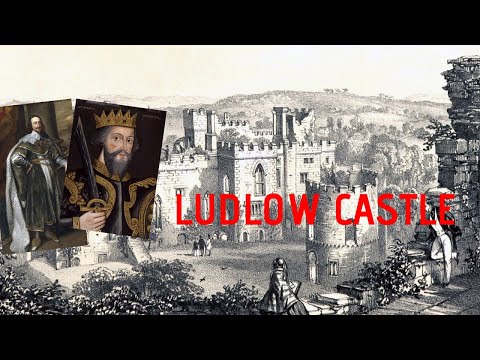
The video explores the history and ruins of this Norman border fortress, once the administrative capital of Wales, walking through its bailey, towers, chapel and great hall.
- St Peter's Chapel ▶ 8:20
Built by Roger Mortimer around 1300 to celebrate his escape from the Tower of London; later renovated with an upper floor used as a courthouse and records office.
- Mortimer's Tower ▶ 9:05
A 13th-century semicircular tower named after Roger Mortimer, possibly a gatehouse controlling the rear exit toward Whitmore Castle and Wales.
- Great Tower (Keep) ▶ 10:14
Described as one of the most curious Norman keeps still standing, combining a gatehouse and keep, developed in four stages from the 11th to 15th centuries.
- Round Chapel of St Mary Magdalene ▶ 11:22
The castle's most important chapel, with a circular nave modeled on the Church of the Holy Sepulchre in Jerusalem; gargoyle heads and a grave marker can still be seen.
- Great Hall ▶ 12:31
The castle's most important room for ceremonial occasions, 60 by 30 feet, where feasts with music celebrated the investiture of the Prince of Wales.
- Great Chamber Block ▶ 13:04
Held the private apartments of the lord and lady, later taken over by the Council of the Marches, with a council chamber decorated with shields of former lord presidents.
- Tudor Lodgings ▶ 13:53
16th-century lodgings for attorneys, clerks and queen's messengers, traditionally said to be where the two princes in the Tower once lived; also believed to have been an armory.
- Prince Arthur's Apartments ▶ 14:26
The solar block where Prince Arthur and Catherine of Aragon lived on the top floor in the winter of 1501, with impressive fireplaces and a flanking tower with a private bed.
- Great Kitchen ▶ 14:56
Built around the same time as the Great Hall, with remains of a great fireplace and ovens used to bake pastries and bread.
- Postern Tower ▶ 15:27
Traditionally the doorway here was used by Princess Mary Tudor for access to a walk outside the curtain wall, still known locally as Queen's Walk.