 PlaceTube
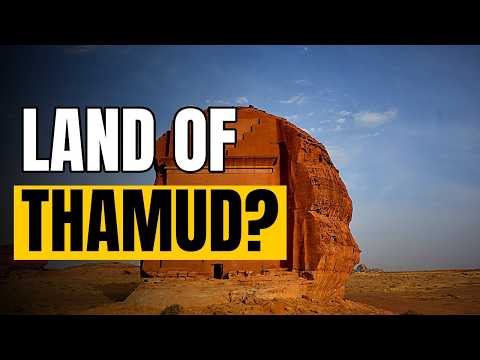
Thamud and Hegra: What Archaeology Found at Mada'in Salih
Open in PlaceTube Watch on YouTube
Places in this video
- Hegra (Mada'in Salih) ▶ 0:00
The video opens on Hegra, the Nabataean tomb city in north-west Arabia known in Islamic tradition as al-Hijr, with more than a hundred monumental tombs carved into the sandstone. It is Saudi Arabia's first UNESCO World Heritage Site, listed in 2008.
- Hejaz Railway Station at Hegra ▶ 2:43
The early twentieth-century Ottoman Hejaz Railway, built to carry pilgrims from Damascus to Medina, had a station here, and its old buildings still stand near the tombs.
- Hegra Old Town (Nabataean town remains) ▶ 4:03
Archaeologists have found the remains of the Nabataean town itself, built of mud brick and stone on the plain between the rock outcrops.
- Qasr al-Farid ▶ 4:18
The presenter calls it the most famous tomb at Hegra, the 'lonely castle', carved from a single boulder and never finished, so you can still see how the masons worked from the top down.
- Ruwafa ▶ 4:50
A temple inscription from the 160s AD at Ruwafa near Tabuk was dedicated by a Thamudic group to the Roman emperors, showing the historical Thamud were still around in Roman times.
- AlUla ▶ 6:10
The presenter notes the AlUla region has signs of settlement going back thousands of years, and much of it has not yet been excavated.