 PlaceTube
Cottonwood Charcoal Kilns
Lone Pine, United States · Videos: 10 · Map
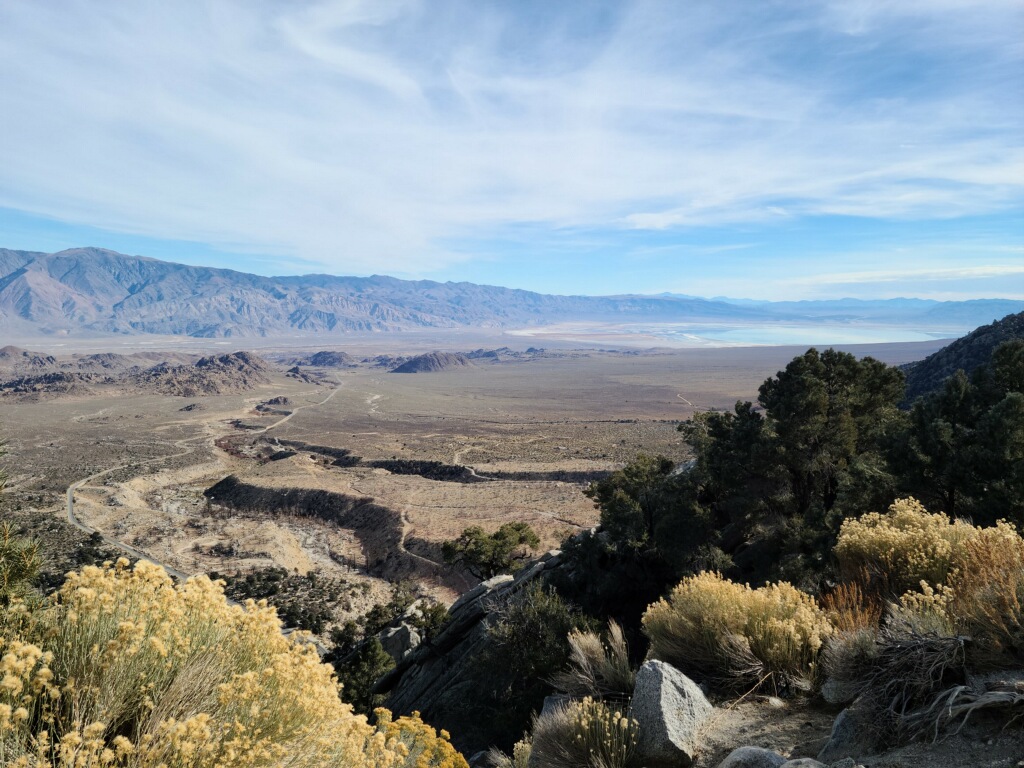
Dry lake in the Owens Valley, California
Owens Lake is a dry lake in the Owens Valley on the eastern side of the Sierra Nevada in Inyo County, California. It is about 5 miles south of Lone Pine. Unlike most dry lakes in the Basin and Range Province that have been dry for thousands of years, Owens held significant water until 1913, when much of the Owens River was diverted into the Los Angeles Aqueduct, causing the lake to desiccate by 1926. In 2006, 5% of the water flow was restored. As of 2013, it is the largest single source of dust pollution in the United States, and has been known since at least the 1990s as a pervasive source…
What travel creators say
California's Owens Lake, which Los Angeles drained entirely in the 1920s.
The presenter explains that Owens Lake was drained and its exposed bed became one of the harshest dust sources in the country, blasting Keeler with toxic storms.
Owens Lake, once 100 square miles and 30 feet deep, shrank as the city diverted the river and was completely dry by 1926, leaving a major source of dust pollution.
The area around Lone Pine is also connected to one of the largest human-caused ecological disruptions in the American West, the depletion of Lake Owens.
The presenter visits the mostly dried-up lake bed, comparing it to the Utah salt flats, and finds a better view of the remaining water and salt from the road.
He says they were lucky to see water in Owens Lake in the distance, which had not had that much water in over 100 years.
He was amazed to see water return to Owens Lake, which had been dry for over a century after the Los Angeles Aqueduct diverted the Owens River, calling it a once-in-a-lifetime sight.
big old dried up uh lake bed here believe it was called Owens Lake
by the time we reached the southern end of the Owens Valley we got to see Owens Lake for the first time in 5 years
Kilns built to supply charcoal to the Cerro Gordo mine across Owens Lake, standing as a reminder of the gold rush's impact on the forests; reached by a quick drive down a one-mile dirt road.