 PlaceTube
Sarcophagus of Ahiram
Byblos, Lebanon · Videos: 1 · Map (Approximate location)
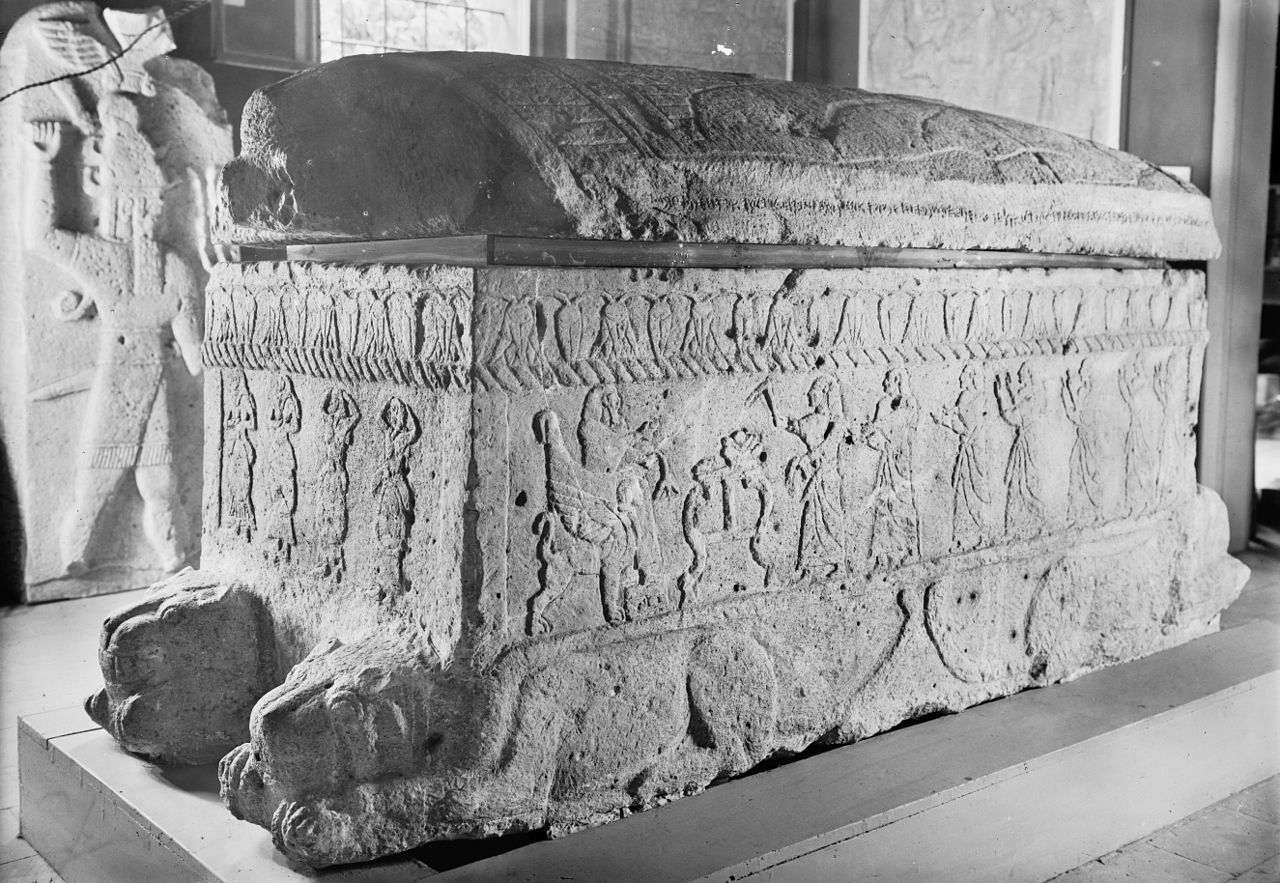
Sarcophagus of Phoenician king
The Ahiram sarcophagus (also spelled Ahirom; Phoenician: 𐤀𐤇𐤓𐤌) was the sarcophagus of a Phoenician King of Byblos (c. 1000 BC), discovered in 1923 by the French excavator Pierre Montet in tomb V of the royal necropolis of Byblos. The sarcophagus is famed for its bas relief carvings, and its Phoenician inscription. One of five known Byblian royal inscriptions, the inscription is considered to be the earliest known example of the fully developed Phoenician alphabet. The Phoenician alphabet is believed to be the parent alphabet for a wide number of the world's current writing systems; including…
What travel creators say
The presenter notes that the first inscription of the Phoenician alphabet was found on the sarcophagus of Ahiram, the first king of Byblos.